Selling a luxury home in Fernandina Beach while you live in another city or country can feel daunting. You want top-dollar results without hopping on a plane for every detail. With the right plan, local oversight, and secure digital tools, you can market, negotiate, and close from your laptop. This guide walks you through the process step by step and shows you how to protect your time, privacy, and proceeds. Let’s dive in.
Fernandina Beach luxury market at a glance
Fernandina Beach and Amelia Island draw second-home buyers, retirees, and coastal-lifestyle seekers. Public market trackers placed median sale prices in the 600k to 700k range as of early 2026, with days to pending commonly 66 to 87 days depending on the dataset. The luxury tier often moves on a longer timeline with more selective buyer traffic.
County trends help with timing. The Northeast Florida Association of REALTORS reports stable conditions and improving affordability, so you can tailor launch strategy to seasonal demand. Your final price and days on market will hinge on true luxury comps, how your home presents, and your agent’s private network.
Your remote seller game plan
Weeks 1–2: authorize, assess, insure
Start with a clear structure so decisions happen fast while you are away.
- Confirm how you will sign: Florida permits Remote Online Notarization. Verify ahead that your title company and, if applicable, any lender will accept RON and your selected provider under Florida’s Chapter 117 rules. A limited power of attorney is another option if the title company approves it.
- Clarify closing costs: Florida’s documentary stamp tax on deeds is generally $0.70 per $100 of sale price. It is often a seller cost by custom, but the contract controls. Review the state’s guidance on doc stamps using the Florida Department of Revenue resource.
- If you are a foreign seller: The FIRPTA law may require withholding on the gross sale price. Plan early with a U.S. tax advisor and learn the basics from the IRS FIRPTA page.
- Protect the property: Many homeowner policies limit coverage if a home sits vacant for 30 to 60 days. Ask your carrier for a vacancy permit or a vacant-dwelling policy and keep a regular on-site inspection log. See the Insurance Information Institute’s guidance on insuring a vacant home.
- Plan for weather: Atlantic hurricane season runs June 1 to November 30. Build in storm-prep, shutter plans, and vendor availability based on NOAA’s seasonal calendar.
Weeks 2–6: prep and stage for the camera
High-end buyers shop visually first. Your goal is to deliver a turnkey feel online, then a polished in-person experience.
- Order targeted pre-list inspections: Roof, HVAC, pool, and termite checks help you fix material issues in advance and avoid renegotiation later.
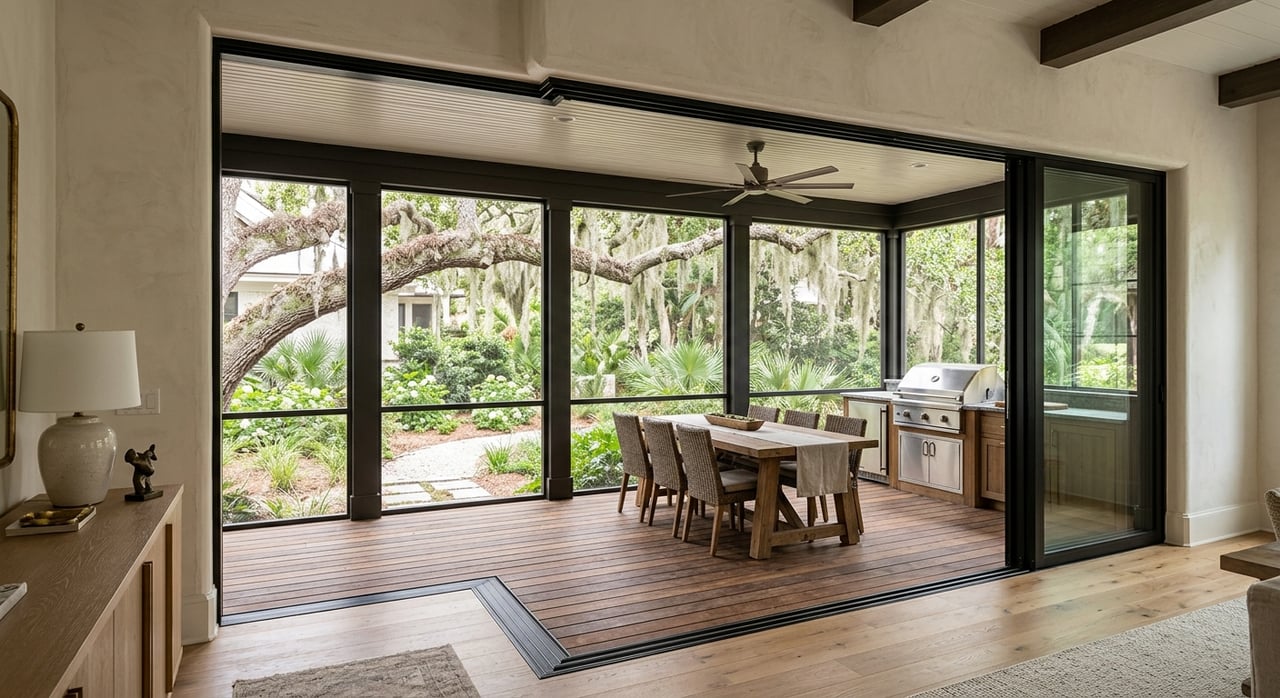
- Stage to sell: The National Association of REALTORS reports that many agents see staging increase offers or reduce time on market for higher-end homes. Review insights from the 2025 Profile of Home Staging and size your budget based on scope.
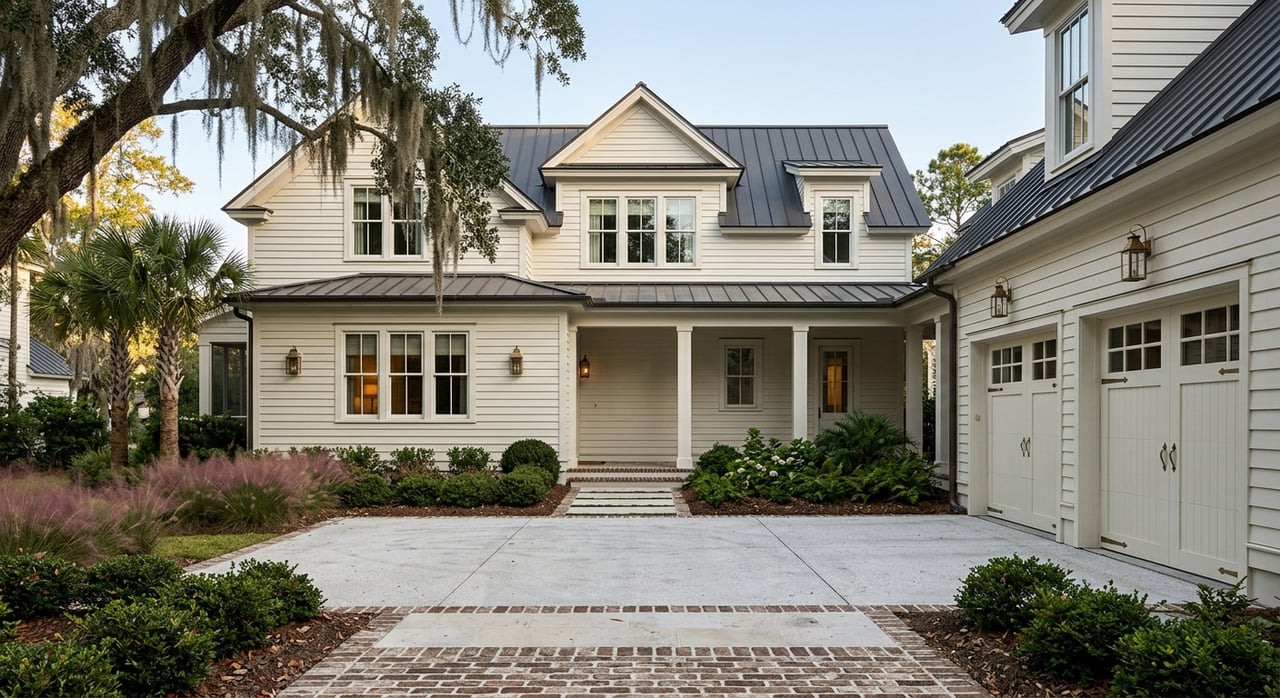
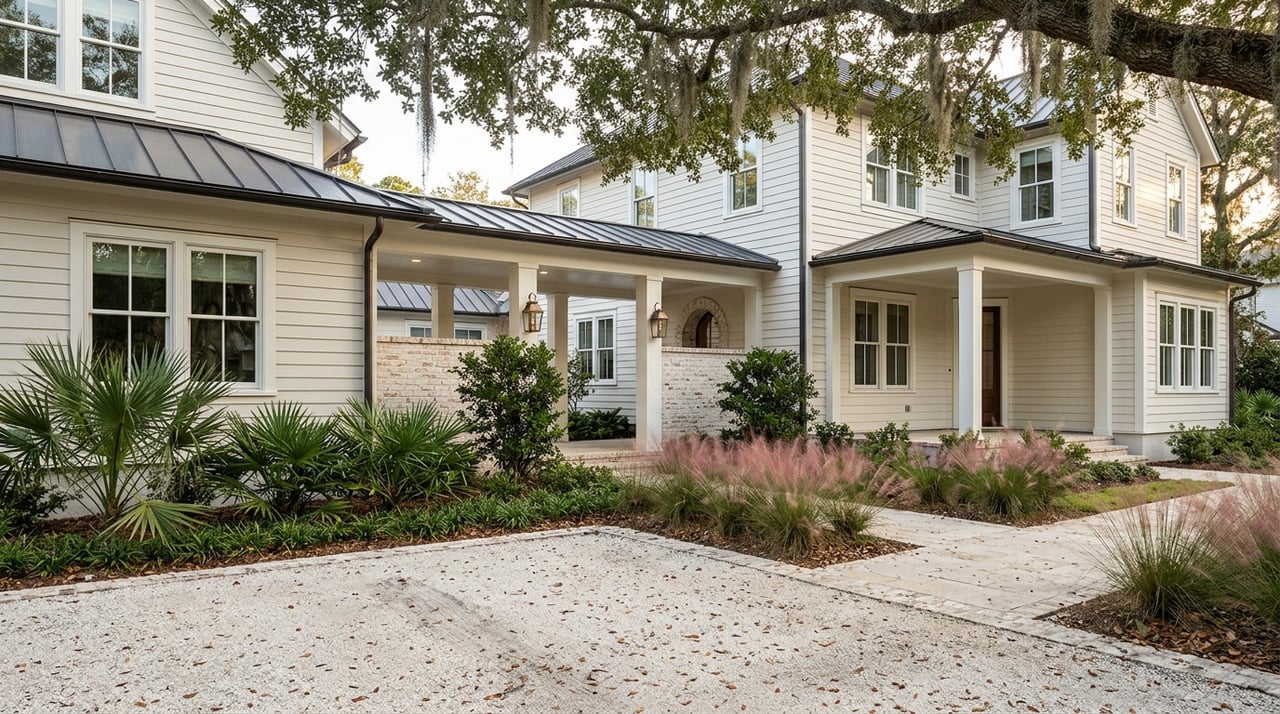
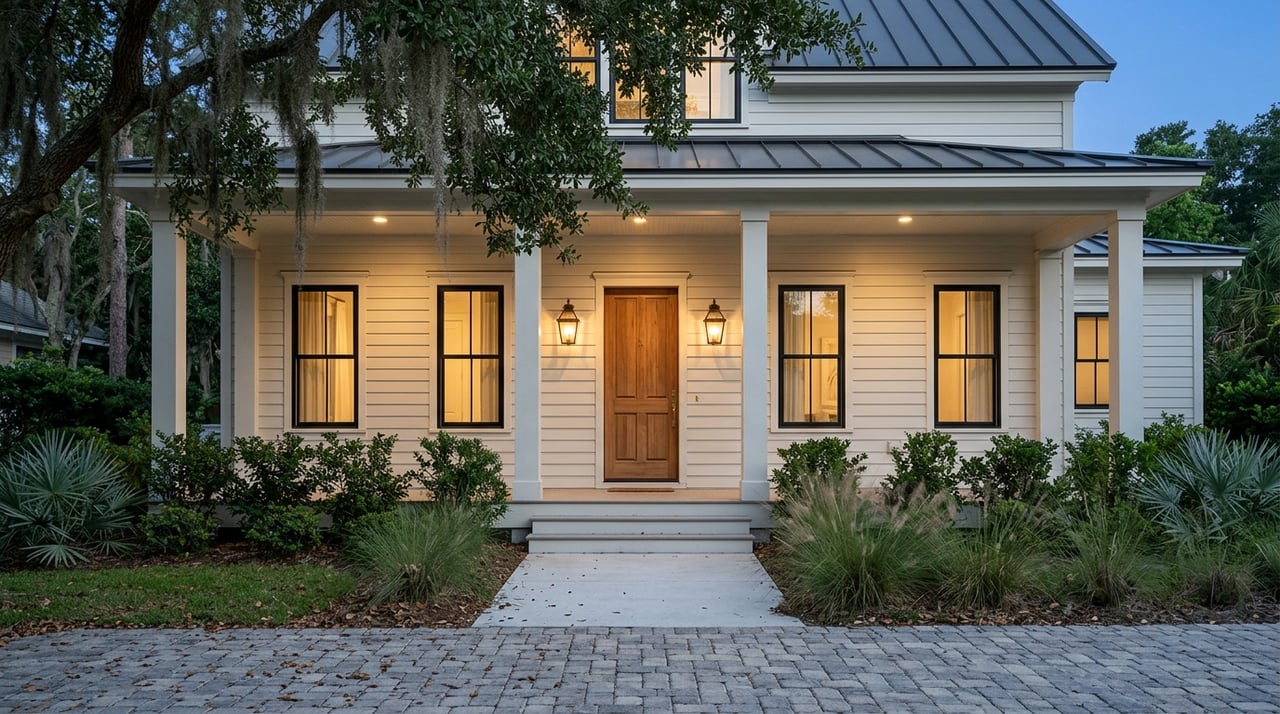
- Invest in top-tier visuals: Book high-resolution photography, twilight exteriors, a 3D walk-through, a cinematic video, and licensed drone aerials. Confirm that your drone vendor holds an FAA Part 107 remote pilot certificate and follows airspace rules. Learn more about authorizations on the FAA Part 107 page.
- Keep utilities on: Power, climate control, and water should remain active during showings to protect systems and support insurance compliance.
Vendor team and local oversight
Your agent should operate as a single point of accountability with clear spending authority and weekly updates. Consider adding language like this to your listing paperwork:
Vendor Authorization: Seller authorizes Listing Broker to coordinate and contract with licensed vendors for inspections, repairs, cleaning, landscaping, staging, photography, videography, and related listing preparation services up to a total budget of $[amount]. Broker will obtain at least two quotes when practical, submit invoices for Seller’s electronic approval, and provide weekly status reports with photos until the listing is active.
Who to hire and cadence
- Property manager or trusted inspector: Weekly checks with photo reports.
- Licensed general contractor: Repair punch list before photos.
- Pool, landscaping, and exterior cleaning: Weekly to biweekly while listed.
- Professional stager: Design plan, install before photography, de-stage at closing.
- Photographer/videographer: One shoot day after staging; include twilight and drone.
- Housekeeper and linen service: Before listing, then as needed after showings.
- Locksmith and access control: Smart lock or lockbox plus key management log.
Security and access protocols
- Require agent prequalification for all showings and proof of funds for private tours.
- Use a secure, MLS-compliant lockbox or agent escort only. Never hide keys.
- Remove or secure valuables, small electronics, and sensitive documents.
- Keep a visitor log and share weekly activity summaries with you.
Premium marketing that reaches real buyers
Luxury exposure is multi-channel. Pair MLS distribution with targeted outreach to top-producing luxury agents across Northeast Florida, private broker previews, and refined print collateral for qualified tours. When confidentiality is key, you can limit public promotion and run a controlled, by-appointment campaign. For international or relocation buyers, ensure your digital package includes 3D tours and high-production video so they can experience the home remotely.
Showing to sold from your laptop
Negotiation terms that protect you
- Earnest money: Require funds be held by a neutral title or escrow company.
- Remote signing: State in the contract that the seller will execute via an accepted RON provider or a pre-approved power of attorney.
- Inspection timing: Set tight inspection windows and consider repair credits or a limited escrow holdback for agreed items instead of open-ended repairs.
- Wire safeguards: Never accept wiring instructions by email alone. Verify by calling the title officer at a known, independently confirmed phone number. Review the NAR wire fraud guidance and set a written protocol with your agent and the title company.
Closing logistics and expected timeline
- Preparation and launch: 2 to 8 weeks depending on condition and scope.
- Market and negotiate: 30 to 120+ days based on price point and season.
- Contract to close: Typically 30 to 45 days, subject to buyer financing, title, and contingencies.
- Remote execution: If your title company accepts it, close with Remote Online Notarization under Florida’s Chapter 117 framework or use a title-approved power of attorney.
- Seller disclosure: Florida requires disclosure of known, non-obvious facts that materially affect value. The Johnson v. Davis precedent clarifies this duty. Read a plain-language summary on seller disclosure in Florida, and complete thorough written disclosures with your agent.
- Taxes and fees: Confirm who pays which items in your contract. Florida’s documentary stamp tax on deeds is generally $0.70 per $100 of sale price. See the state’s doc stamp overview. If you are a non-U.S. seller, check FIRPTA withholding rules and coordinate with a U.S. CPA early.
Weather, insurance, and risk control
Coastal listings demand extra diligence. Plan for hurricane-season contingencies, pre-book shutter or boarding services, and keep clear records of regular property checks. Many carriers limit coverage if a property is left vacant for 30 to 60 days, so request a vacancy permit or a vacant-home policy and document inspections. Review vacancy risks with the Insurance Information Institute, and time your launch around NOAA’s hurricane season guide.
Remote-seller closing checklist
Use this concise list to keep your sale on track.
- Confirm RON or POA acceptance with your title company and any lender.
- Approve a vendor budget and authorize your agent to coordinate and pay vendors with electronic invoice approvals.
- Order targeted inspections; complete repairs that would trigger price or delay.
- Stage, photograph, and film with a licensed FAA Part 107 drone operator.
- Launch MLS plus targeted luxury-broker outreach and private previews.
- Vet buyers, require proof of funds for private showings, and track all visits.
- On offer acceptance, set inspection timelines, escrow holder, and wiring protocols in writing. Reconfirm any FIRPTA obligations if applicable.
- Execute closing documents via accepted RON or title-approved POA. Verify deed doc stamp responsibilities and mortgage payoff with the title company.
- Before funding, call the escrow officer at a verified number to confirm wire instructions. Never accept changes by email.
- After closing, confirm receipt of funds, transfer or cancel utilities, de-stage, and arrange key and code handoff.
Why work with a boutique, single-point advisor
Selling from afar demands both financial rigor and design-forward presentation. With a CPA background, audited approach to valuation, and decades of luxury design and staging expertise, you get disciplined pricing, tax-aware negotiation, and magazine-level marketing under one roof. As your single point of accountability, you receive weekly photo updates, vetted vendor bids, and hands-on oversight from prep to post-close concierge. You stay remote while your property shows at its best.
Ready to map your remote sale in Fernandina Beach or across Amelia Island? Schedule a complimentary consultation with Trusha Shah to build a plan that maximizes presentation, protects your interests, and delivers a smooth, secure closing.
FAQs
How long does a remote Fernandina Beach luxury sale usually take?
- Preparation often takes 2 to 8 weeks, marketing 30 to 120+ days, and contract to close 30 to 45 days, with seasonality and price point influencing the timeline.
What remote signing options do Florida sellers have for closing documents?
- Florida permits Remote Online Notarization, and many closings accept it if the title company and any lender agree; a title-approved power of attorney is another path.
How are Florida documentary stamp taxes handled for the deed?
- The state generally charges $0.70 per $100 of consideration on deeds, often paid by the seller by local custom, but your contract controls who pays.
What should a foreign seller know about FIRPTA withholding?
- FIRPTA may require withholding a portion of the gross sale price at closing; plan early with a U.S. tax advisor and your title company to manage certificates and timing.
How do I insure a vacant luxury home during the listing period?
- Ask your carrier for a vacancy permit or vacant-dwelling policy, keep utilities on, and have a local professional conduct and document regular inspections.
What marketing works best for Amelia Island luxury properties when I am remote?
- A blend of MLS exposure, private broker outreach, high-end staging, cinematic video, 3D tours, and licensed drone aerials attracts qualified, often out-of-area buyers.