Maximizing Your Amelia Island Renovation Return
March 5, 2026
March 5, 2026
Wondering where to invest your renovation dollars on Amelia Island so you protect your home and boost resale? Coastal weather, insurance, and permitting make the right choices different here than inland. In this guide, you’ll learn which upgrades reliably add value, how to navigate local rules, and a simple 12–24 month plan to execute with confidence. Let’s dive in.
Amelia Island’s market rewards homes that blend beauty with resilience. Recent reports show a median price near $699,900, with neighborhood variation that makes it important to match your budget to your area’s price band. Many buyers are second‑home owners or retirees who value low‑maintenance finishes, storm readiness, and comfort. That means you want upgrades that reduce risk first, then polish the experience.
A code-compliant roof signals care, lowers risk, and can influence insurance. Secure roof-to-wall connections and a secondary water barrier are strong starting points. National benchmarks show roofing is among the most trusted projects for protecting value and improving resale appeal.
Impact-rated windows and doors or approved shutters protect from wind-borne debris and may qualify for credits once documented. Make sure products meet Florida Building Code requirements and are installed by licensed pros familiar with coastal pressures. You can review current code standards through the state’s building code portal at the Department of Business and Professional Regulation. Review Florida Building Code resources.
If your property is in or near a Special Flood Hazard Area, elevate mechanicals like HVAC, electrical, and water heaters above Base Flood Elevation. Below the BFE, use flood-damage-resistant finishes to speed recovery after a storm. FEMA publishes lists of compliant materials and guidance so you can plan wisely. See FEMA’s flood-resistant materials guidance.
Verified wind mitigation features can reduce premiums when documented with a certified inspection. Florida’s My Safe Florida Home program offers free inspections and potential matching grants for qualifying upgrades. Ask your inspector about the OIR wind mitigation report your insurer uses to apply credits. Learn about My Safe Florida Home. Understand wind mitigation reporting.
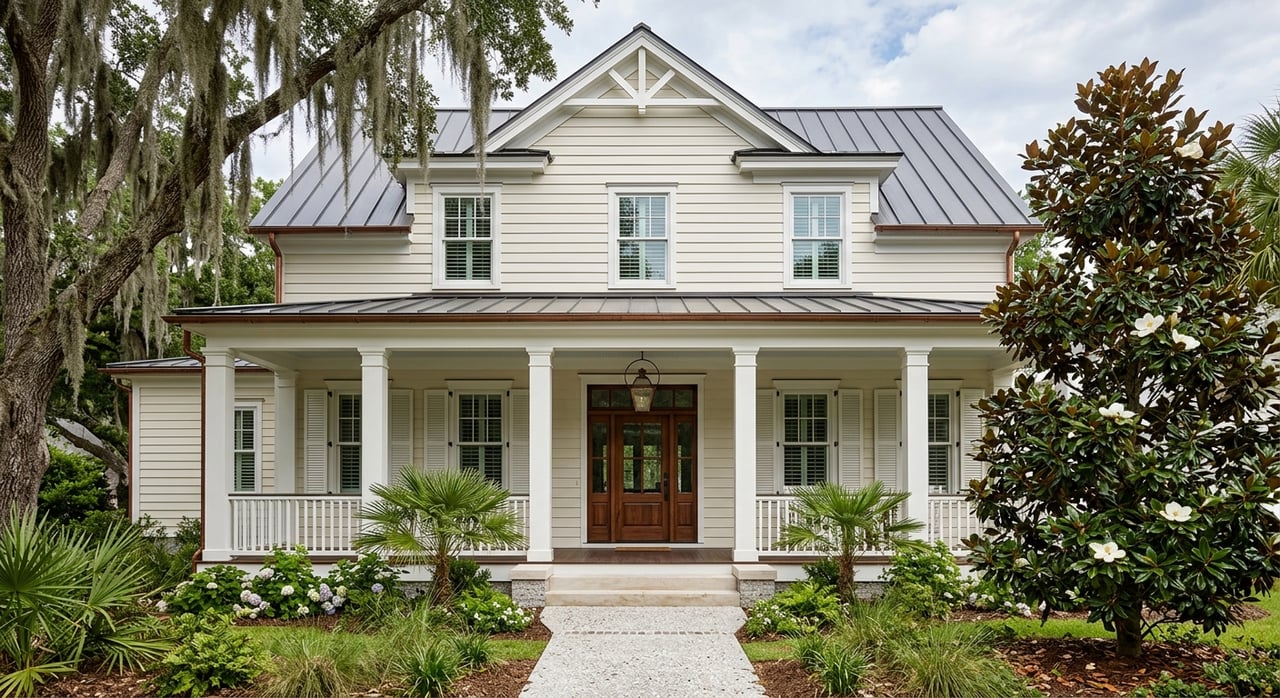
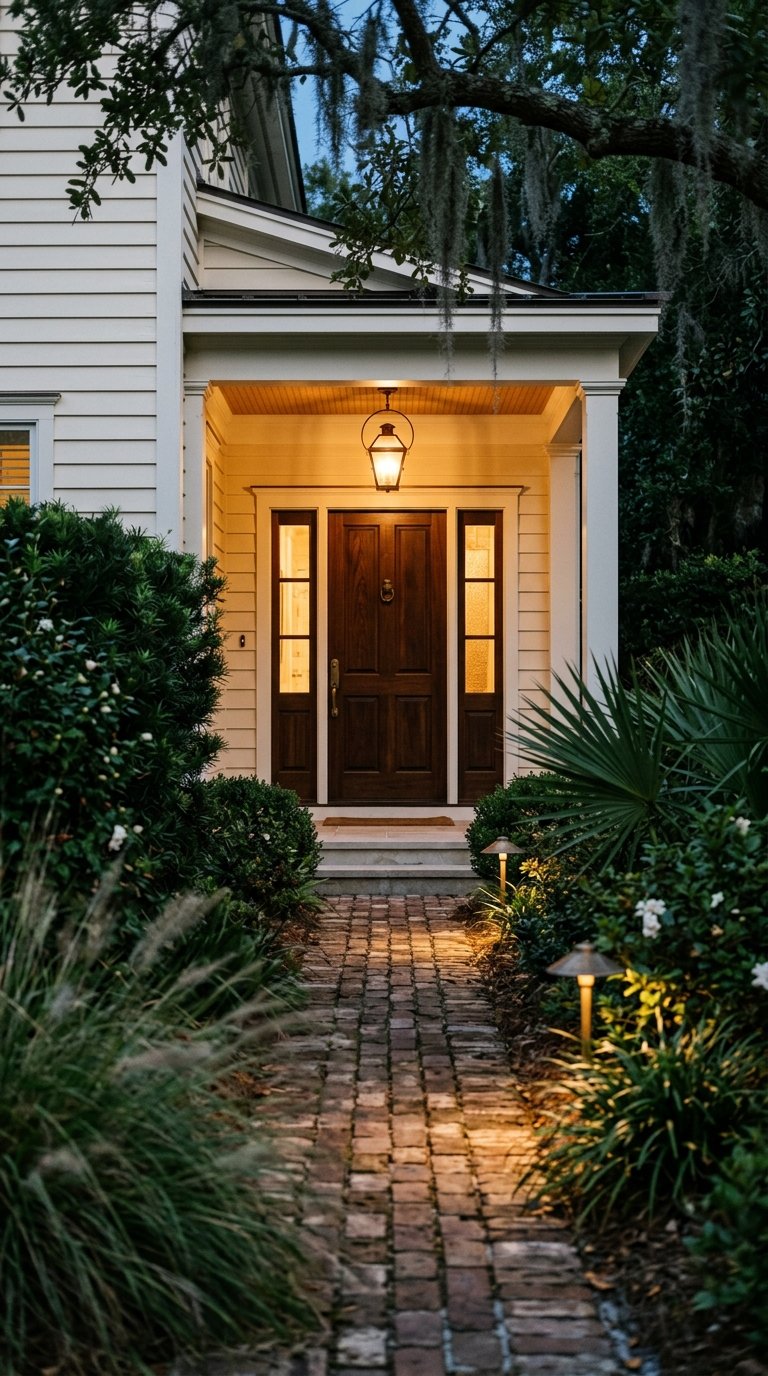
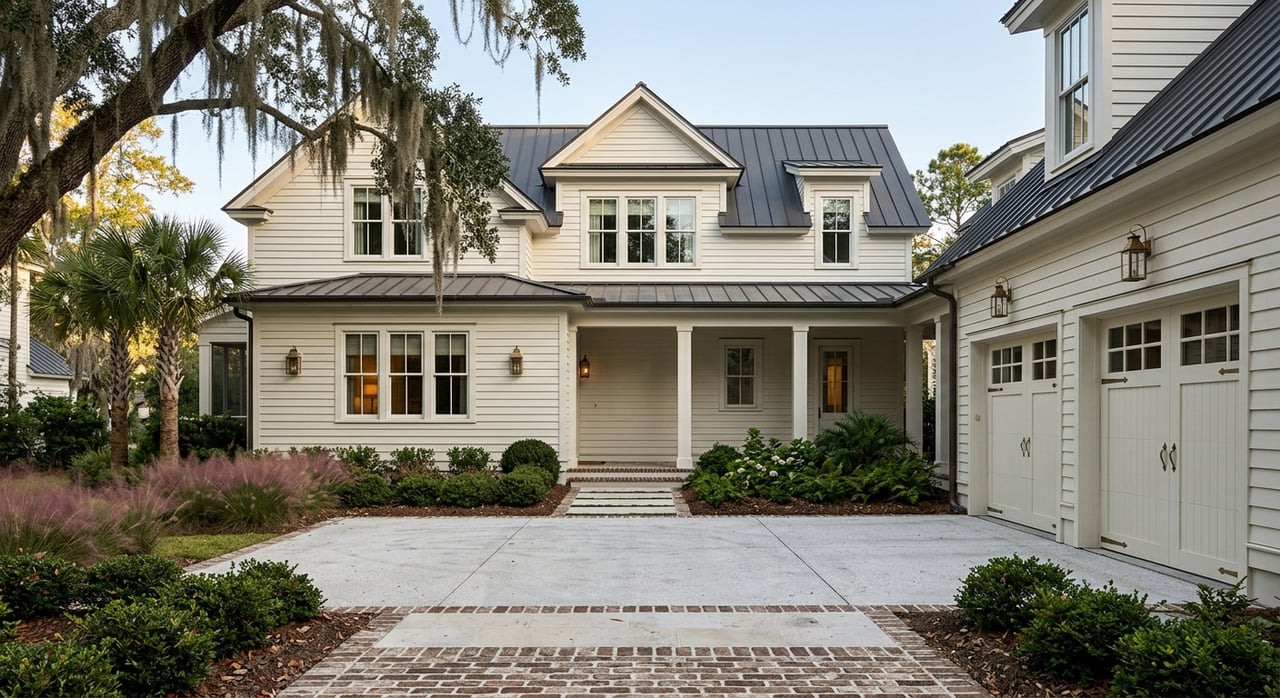
Across ROI studies, a new garage door, a quality entry door, and fiber-cement siding often deliver some of the best percentage recapture. These upgrades also perform well in salt air when paired with marine-grade fasteners and proper finishes. Keep the look timeless to fit neighborhood expectations. Explore Cost vs. Value benchmarks.
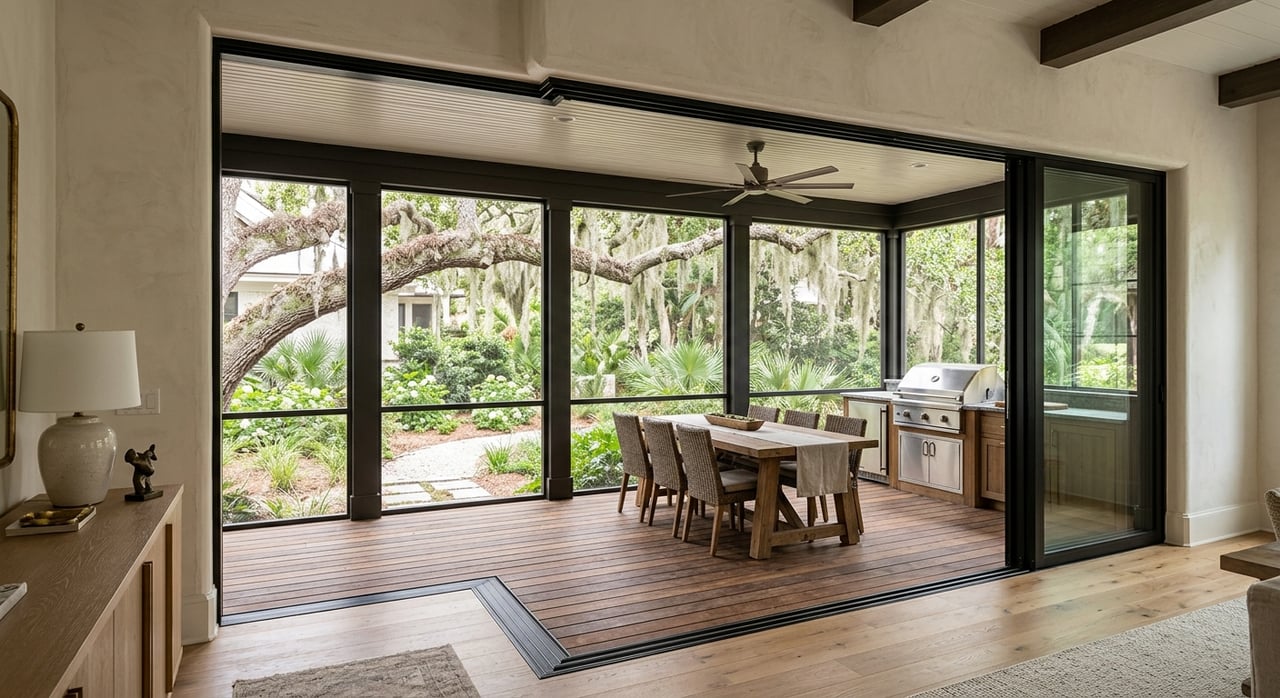
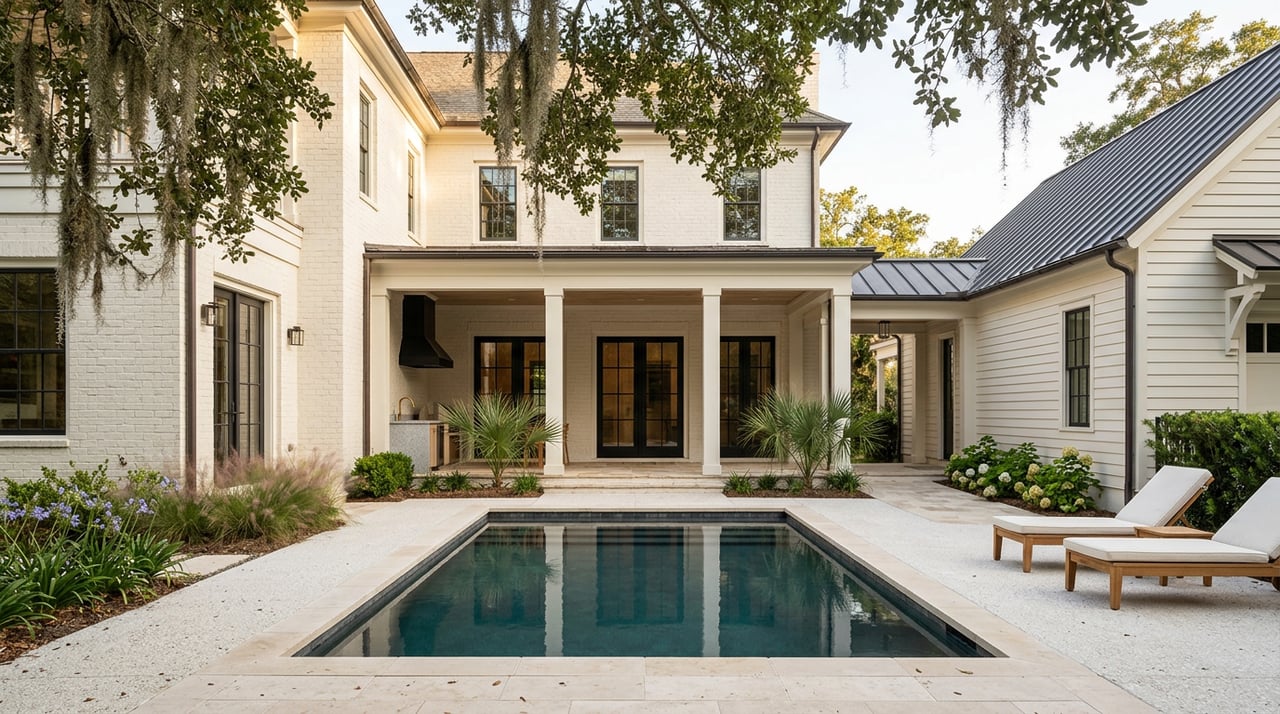
Screened porches, covered seating, and well-detailed decks are top lifestyle draws on Amelia Island. Use rot-resistant or composite decking and corrosion-resistant hardware. Design for airflow, shade, and easy maintenance so the space lives well year-round.
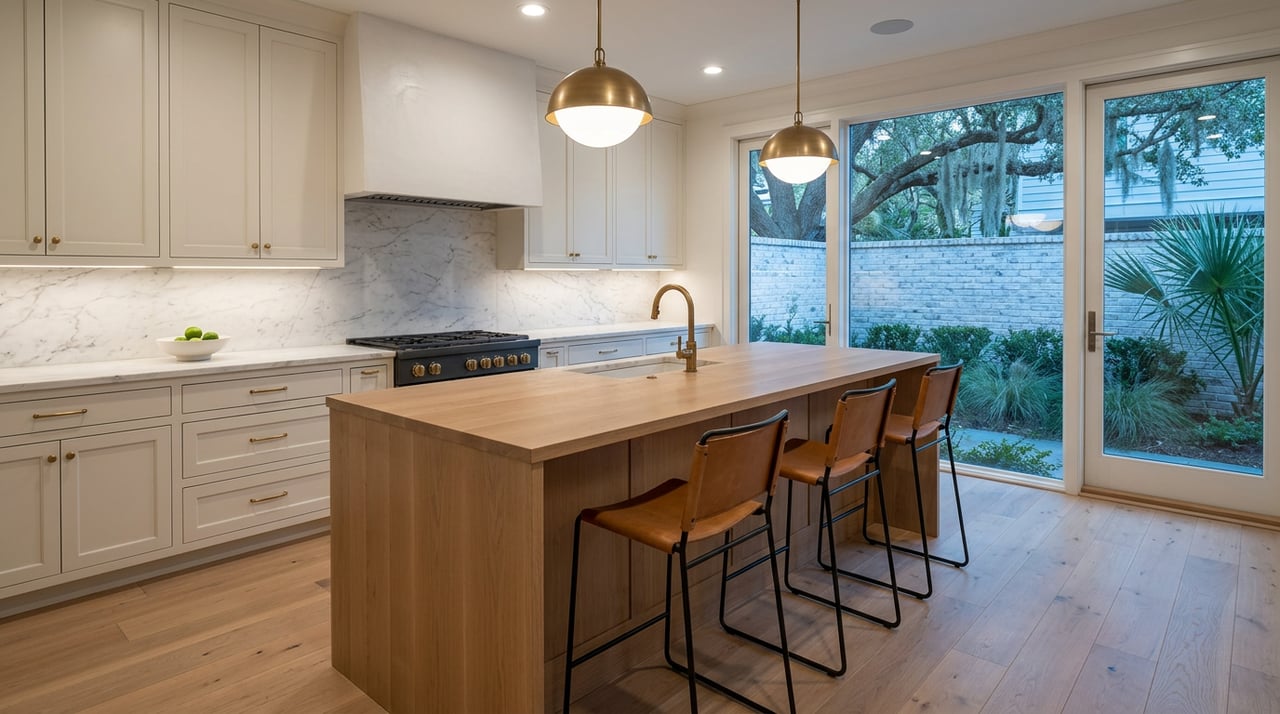
Minor to midrange kitchen updates tend to recoup a higher share of cost than full luxury gut renovations. Think new counters, refaced or painted cabinetry, efficient appliances, and updated lighting. The same applies to midrange bath remodels: clean, spa-like finishes without over-customizing. See national ROI patterns.
Backup generators are prized on barrier islands and have shown strong recapture in national data. If you host guests or manage a rental, standby power adds peace of mind. Consider high-efficiency HVAC and water heating designed for coastal conditions to extend service life and reduce upkeep. Reference Cost vs. Value trends.
Salt spray accelerates corrosion, so specify carefully. Favor 316 stainless fasteners and hardware in exposed locations over 304 to slow rust and staining. Choose fiber-cement or quality composite exteriors, impact glazing with corrosion-resistant hardware, and coastal-rated HVAC components. Then set a simple rinse and maintenance schedule to protect finishes. Compare 304 vs 316 stainless performance.
Before you design, verify your flood zone and BFE. Nassau County provides mapping resources that help you understand elevation, materials, and insurance implications. Find your flood hazard designation.
The City of Fernandina Beach requires permits for most structural, electrical, mechanical, and plumbing work. Submit early, especially for coastal sites or any project near dunes. Online permitting makes the process easier. Start with the City’s online permitting portal.
If your home is beachfront or near turtle nesting areas, plan exterior lighting that complies with local rules. Seasonal lighting limits typically apply during nesting months, which can influence fixture selection and glazing. Review regional shoreline and sea turtle considerations.
Finally, review your HOA or POA’s architectural guidelines. Confirm what is allowed for materials, colors, and additions before you collect bids.
If you plan to offset renovation costs with vacation rental income, confirm eligibility before you invest. Fernandina Beach limits short-term resort rentals to specific zones and requires a Resort Rental Dwelling Permit, plus inspections and registration. State DBPR licensing may also apply, depending on your rental type. See Fernandina Beach resort rental rules.
If you want a clear, ROI-first plan plus design leadership and vetted coastal contractors, you do not have to do it alone. As a CPA-trained advisor with decades of renovation and staging experience, I can help you decide where to spend, manage the work, and bring your home to market beautifully. Schedule a complimentary consultation with Trusha Shah to get a tailored renovation roadmap for your Amelia Island property.
Stay up to date on the latest real estate trends.
I am committed to guiding you every step of the way—whether you're buying a home, selling a property, or securing a mortgage. Whatever your needs, I've got you covered.