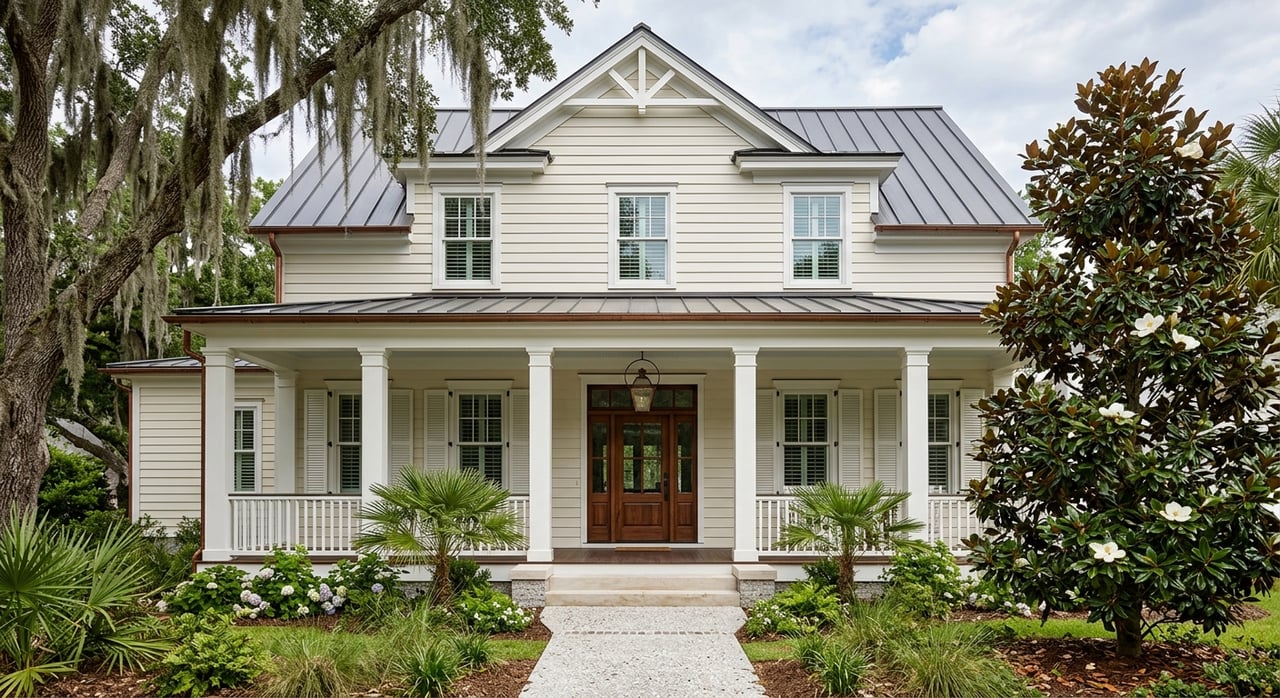
Evaluating Luxury Build Opportunities Around Amelia Island
April 16, 2026
April 16, 2026
If you are considering a luxury build on Amelia Island, the opportunity can be compelling, but the margin for error is small. On an island just 13 miles long and two miles wide, site selection can shape everything from long-term value to design possibilities and approval timelines. This guide will help you evaluate where luxury build opportunities may make the most sense, what due diligence matters most, and how to think strategically before you commit. Let’s dive in.
Amelia Island offers a rare mix of coastal scenery, established character, and practical convenience. According to official Amelia Island visitor information, the island features 13 miles of beaches, five championship golf courses, a walkable downtown Fernandina Beach core, and a layout where nothing is more than about 15 minutes away.
That compact footprint matters when you evaluate luxury land or redevelopment opportunities. On Amelia Island, micro-location often drives value because proximity to the beach, golf, downtown, parks, or the airport can meaningfully change how a property lives and how future buyers perceive it.
Not every parcel supports a true luxury outcome. The best opportunities usually align location, design potential, and regulatory feasibility from the start.
Beach-close properties benefit from scarcity. Nassau County’s coastal management analysis notes that waterfront property and recreational facilities are in high demand while supply continues to diminish.
For you, that creates an important lens for evaluation. A parcel near the beach may offer strong long-term appeal, but you still need to understand floodplain issues, coastal setbacks, and access conditions before assuming the numbers work.
Downtown Fernandina Beach and Old Town can support a different kind of luxury product. Amelia Island’s official FAQ page describes downtown Fernandina Beach as a 50-block walkable district with Centre Street as its main artery, giving the area a clear sense of place and historic texture.
If you are drawn to architecture, walkability, and a more layered ownership experience, these sites can be especially appealing. Infill or renovation opportunities here may reward thoughtful design and preservation-minded planning more than sheer square footage.
Sites near Fort Clinch State Park or Amelia Island State Park can offer privacy, preserved views, and a stronger connection to dunes, marsh, and habitat. These edges may be attractive because neighboring public lands are less likely to be overdeveloped later.
That said, environmental context matters. The Florida Department of Environmental Protection materials for Fort Clinch State Park and related park guidance also point to habitat protections, and the south end can see seasonal beach closures tied to nesting shorebirds.
For some buyers, golf is just as important as beach access. Amelia Island has five golf courses and 99 holes, which means a luxury build near golf amenities can speak to a distinct segment of the market.
If you are evaluating resale potential, this can broaden your audience. A well-positioned golf-oriented home may appeal to buyers who want recreation, privacy, and easy access across the island.
Convenience matters for second-home owners and frequent travelers. The Fernandina Beach Municipal Airport is about three miles south of historic downtown and less than two miles from beaches and resort lodging.
That does not make airport access a priority for every buyer, but it can be meaningful for a niche luxury audience. If you are building with remote ownership or frequent arrivals in mind, travel ease can be part of the value story.
On Amelia Island, a beautiful location does not automatically mean a simple path to build. Regulatory and environmental filters can reshape the budget, design, and schedule quickly.
The most successful luxury projects usually begin with hard questions early. Before you focus on finishes or floor plans, you need to know whether the parcel can support the vision you have in mind.
One of the first steps is confirming whether the property sits within the City of Fernandina Beach or in unincorporated Nassau County. The city planning department administers city zoning and land development codes, while the county building department handles permits and inspections in unincorporated areas.
This matters because the approval path can change based on parcel location. You should not assume the same rules, process, or timeline apply everywhere on the island.
If you are considering a site in or around downtown, historic review can be a major gatekeeper. The city states that all properties in the historic district, whether historic or not, must obtain a Certificate of Appropriateness before a building permit is issued.
That review can apply to exterior alterations, additions, new construction, demolition, signs, and lighting. For luxury buyers and developers, this does not mean avoiding the area. It means planning carefully and understanding the design framework before you close.
Floodplain analysis should happen before you underwrite a deal. The city’s building in the floodplain guidance notes that work in a Special Flood Hazard Area below required flood elevation can affect remodeling, additions, renovation, and reconstruction.
For address-level review, FEMA’s Flood Map Service Center is the official public source referenced by the city. This step can help you understand elevation-related constraints before design costs escalate.
Fernandina Beach’s land development code establishes a Coastal Upland Protection Zone extending 1,000 feet landward from the CCCL. The city’s code also states that development or fill is prohibited within wetlands and within 25 feet of jurisdictional wetlands, according to the combined land development code document.
That can remove some marsh-edge or low-lying sites from serious consideration. If a parcel looks exceptional on paper but carries wetland or coastal limitations, your build envelope may be smaller or more complex than expected.
Outdoor lighting is not just a design choice on Amelia Island. The city notes that sea turtles nest on local beaches from May 1 through October 31, and beach-friendly lighting standards are intended to reduce disruption to hatchlings.
For some south-end areas, seasonal beach access changes tied to shorebird protection can also affect the ownership experience. These issues are manageable, but they should be part of how you assess a parcel’s fit for your goals.
The strongest luxury homes on Amelia Island usually feel rooted in place. Local rules and review patterns point toward homes that are resilient, context-sensitive, and thoughtfully sited rather than simply oversized.
A large home does not automatically create a better outcome. On an island where views, canopy, dunes, and neighboring context matter, thoughtful placement of massing can have more impact than adding square footage.
If your site is in a historic setting, this becomes even more important. New construction may need to respect established street rhythm, materials, texture, and scale in order to move smoothly through review.
The city’s tree protection and mitigation framework and broader conservation approach reinforce the value of preserving canopy and limiting unnecessary site disturbance. Dune vegetation protection and minimized grading also support long-term resilience.
From a luxury standpoint, this often improves the result anyway. Mature trees, a softer site plan, and lower-glare exterior lighting can help a property feel more refined and more connected to Amelia Island’s natural setting.
Some of the most interesting opportunities are not vacant lots. In and around historic areas, a renovation-heavy acquisition may create value if the property qualifies for historic district tax incentives and the scope of work aligns with local review requirements.
Before moving forward, you will want to confirm whether the property is contributing or non-contributing and whether the work falls under staff-level or council-level review. Those distinctions can materially affect timeline and cost.
If you want a practical framework, start here:
This sequence reflects the local approval landscape and helps you avoid designing around assumptions. On Amelia Island, the best luxury opportunities often solve location, view, and entitlement questions at the same time.
Luxury build potential on Amelia Island is not just about finding a beautiful parcel. It is about matching the right site to the right vision, then validating that vision against real constraints before you commit capital.
If you are considering a custom build, a redevelopment play, or a design-forward renovation, a disciplined acquisition process can protect both lifestyle and long-term value. When you want a local advisor who understands financial analysis, design potential, and the practical realities of coastal property decisions, Trusha Shah offers a boutique, concierge-level approach tailored to Amelia Island luxury real estate.
Stay up to date on the latest real estate trends.
I am committed to guiding you every step of the way—whether you're buying a home, selling a property, or securing a mortgage. Whatever your needs, I've got you covered.