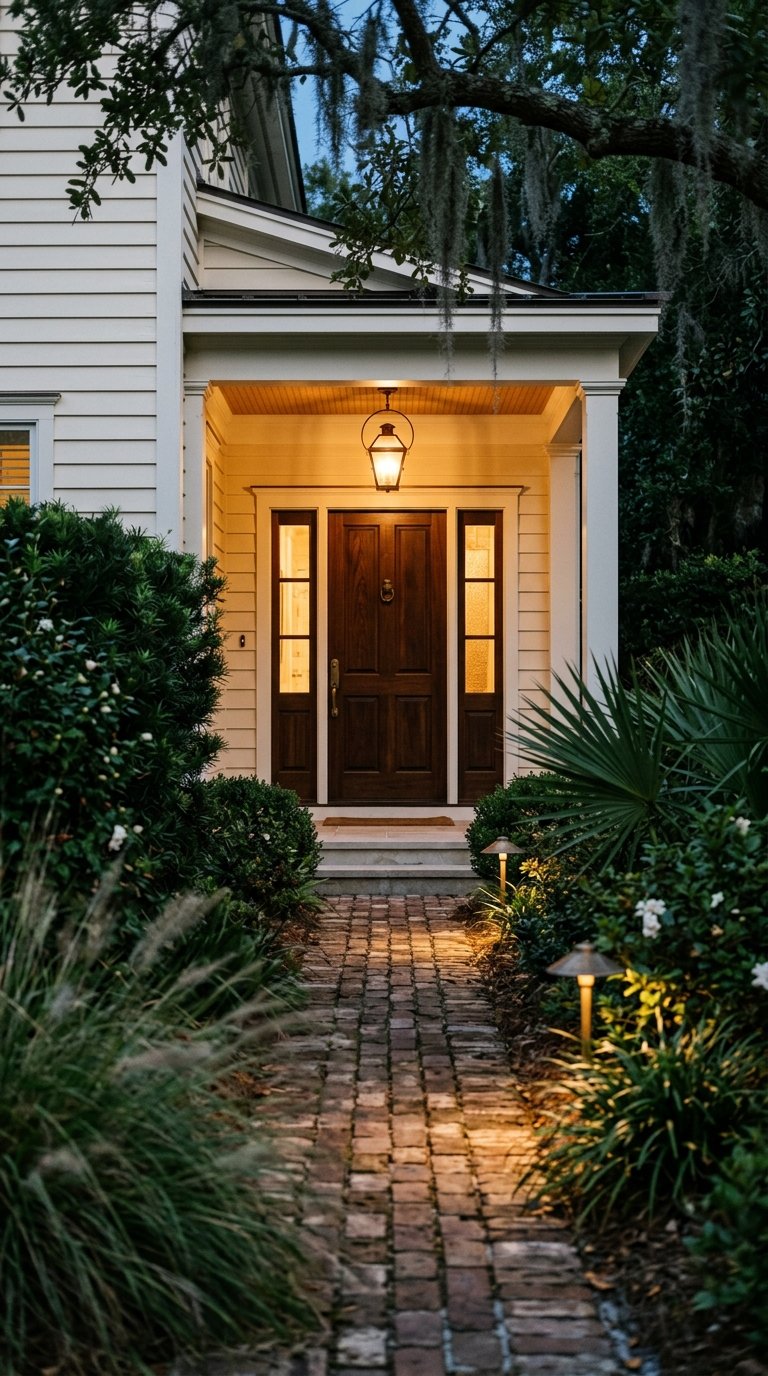
When To Quietly Market Your Amelia Island Luxury Home
April 2, 2026
April 2, 2026
Selling a luxury home on Amelia Island can feel like a balancing act. You want the strongest possible outcome, but you may not want your property, schedule, or personal life on full display from day one. If you are wondering whether a quieter approach could make sense, this guide will help you weigh privacy, pricing, and timing so you can make a confident decision. Let’s dive in.
Amelia Island offers a distinctive luxury market shaped by coastal living, resort-style amenities, marina access, golf, beaches, and a historic town core. The City of Fernandina Beach Historic Districts page notes that Old Town Historic District retains the 1811 plat, and properties in historic districts are subject to design guidelines.
That matters when you sell. On an island where lifestyle, architecture, and location all influence buyer interest, the way your home is introduced to the market can affect both your experience and your final result.
Quiet marketing usually refers to selling with limited public exposure instead of launching broadly across public home search sites right away. In practice, that can mean a fully private approach or a controlled rollout before a public debut.
According to NAR's listing policy FAQ, there are two common models sellers should understand:
These are not the same thing, and the difference matters if your goal is privacy versus controlled exposure.
For some sellers, privacy is the real priority. Zillow's transparency guidance says personal privacy and safety are legitimate reasons to keep a listing fully private, and NEFAR notes that some sellers choose delayed marketing because they want more control over exposure.
That can be especially relevant if you own a second home, have a high-profile career, host frequent guests, or simply want to limit disruptions. Fewer public showings can mean less stress and more control over how and when buyers enter your home.
It can also make sense when your property needs a little more strategic planning before a full launch. A quiet first phase may help you test pricing, gather feedback, or prepare final design touches before going broad.
Amelia Island is not a one-size-fits-all market. Some luxury homes are highly customized coastal properties, while others sit in historic areas where design guidelines can shape buyer questions and renovation possibilities. Based on the island's historic preservation framework, selective marketing may be more relevant for homes that need extra explanation, careful positioning, or a narrower buyer match.
In other words, a quiet strategy is not automatically better. But for certain homes, it can create space to present the property more thoughtfully before opening the doors to a wider audience.
Your decision should also reflect the market you are selling into. Realtor.com market data for Nassau County describes the county as a buyer's market, with a median home sale price of $550,000, a 54-day median time on market, and homes selling about 2.34% below asking on average.
In the Amelia Island and Fernandina Beach 32034 ZIP code, Realtor.com reports a $699,000 median home price, 772 homes for sale, and a 57-day median time on market as of February 2026. That does not mean luxury homes are not selling. It does mean buyers often have options, and homes may need stronger positioning to stand out.
At the broader luxury level, Redfin data cited by Florida Realtors showed U.S. luxury inventory rose 6.4% year over year in October 2025, and the typical luxury home took 58 days to sell. For you, that supports a practical takeaway: even high-end homes usually need a smart strategy, not just a beautiful address.
Quiet marketing is usually most defensible when you have a clear reason for limiting exposure. It is not just about exclusivity. It is about matching the sales approach to your actual goals.
Here are a few situations where it may be worth considering:
If keeping your home, schedule, or identity out of broad public view matters more than maximizing reach from day one, a private strategy may fit. This is often relevant for seasonal owners, executives, public-facing professionals, or families who want more discretion.
If you are not fully settled on pricing, presentation, or buyer messaging, a limited rollout can help you gather feedback before a wider launch. Zillow's Preview explanation frames this as a way to test the waters before going live.
Some luxury homes need more context than a standard listing can provide right away. Historic homes, architecturally distinct residences, and highly customized coastal properties may benefit from a more selective start while you refine how the home is positioned.
For most sellers, broad exposure remains the stronger default. More visibility can create more competition, more urgency, and a clearer sense of market value.
That matters because the available data does not show that private selling typically leads to a higher price. In fact, the opposite is more common.
According to Zillow Research on off-MLS sales, homes sold off the MLS in 2023 and 2024 typically sold for $4,975 less, or 1.5% less on median, than MLS-listed homes. Zillow also cites research showing hidden listings can spend 20 to 22 more days on market and sell for less.
The same study found that while private sales tended to underperform across price tiers, the median loss was smaller in the luxury tier than in lower tiers. That does not make quiet marketing a pricing advantage. It simply means the tradeoff may be less severe for some luxury sellers who place a very high value on discretion.
If you are considering a quiet strategy, the rules matter. NAR's Clear Cooperation Policy says public marketing includes yard signs, flyers in windows, public-facing websites, brokerage website display through IDX or VOW, email blasts, multi-brokerage listing-sharing networks, and apps available to the general public.
Once a listing is publicly marketed, the broker generally must file it with the MLS within one business day under Clear Cooperation. NAR also notes that one-to-one broker-to-broker communication does not trigger the same requirement, while multi-brokerage communications do.
For you, the key point is simple: quiet marketing is not informal marketing. It has rules, required seller authorization, and local MLS procedures that must be followed correctly.
If you are unsure which path is right, start by ranking your priorities. The best strategy usually becomes clearer when you decide what matters most.
Ask yourself:
In Amelia Island's current market, a quiet strategy should usually come with an exit plan. If the property does not gain traction privately, you should know in advance when and how you will shift to broader exposure.
For many luxury homeowners, the smartest answer is not all private or all public. It is a measured sequence.
A seller who needs true confidentiality may choose an office exclusive. A seller who wants control but still plans a wider launch may prefer delayed marketing, followed by full public exposure once pricing, preparation, and presentation are aligned.
That kind of decision benefits from strong analysis, not guesswork. In a market where timing, presentation, and buyer perception all matter, a boutique advisor can help you protect privacy where needed while still staying focused on outcome.
If you are weighing whether to quietly market your Amelia Island luxury home, a tailored plan can make all the difference. Trusha Shah brings a boutique, concierge approach with financial discipline, elevated presentation, and thoughtful marketing strategy to help you choose the path that fits your goals.
Stay up to date on the latest real estate trends.
I am committed to guiding you every step of the way—whether you're buying a home, selling a property, or securing a mortgage. Whatever your needs, I've got you covered.