Amelia Island Second Home Living: A Practical Guide
February 5, 2026
February 5, 2026
Imagine stepping off a short flight into Jacksonville, then driving under an hour to a quiet stretch of dunes where your beach bag lives by the door and your favorite restaurant knows your name. If you are considering a second home on Amelia Island, you want calm, convenience, and confidence that you can manage it from anywhere. In this guide, you will learn what day-to-day life looks like, what it really costs, how to prepare for hurricanes, and how short-term rentals work. Let’s dive in.
Amelia Island sits in northeastern Florida, just north of Jacksonville in Nassau County. You can typically reach the island in under an hour from Jacksonville International Airport, and private aviation options are nearby. The island blends quiet beaches, historic Fernandina Beach, golf, boating, fishing, paddling, and state park access. You will find upscale amenities without the bustle of a major resort strip.
Peak season usually runs from late fall through spring, when the weather is mild and seasonal residents arrive. Summers are warm and humid, and hurricane season spans June 1 through November 30, with higher activity in August and September. Many second-home owners plan longer stays in winter and spring, then rely on property managers for the rest of the year.
Waterfront and beachfront condominiums offer direct access to the sand with lower on-site maintenance. HOA dues typically cover exterior care, though you should review rules on rentals, renovations, and guest policies. Condos are popular with owners who want quick arrivals and easy departures.
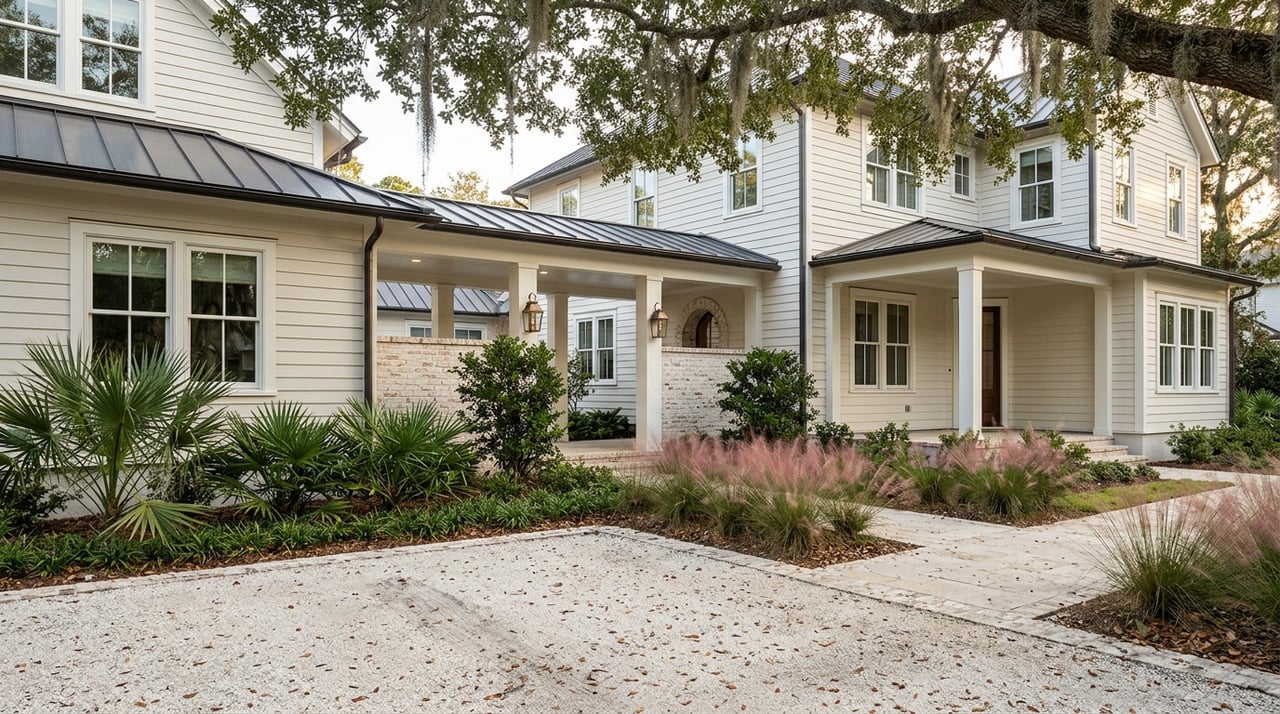
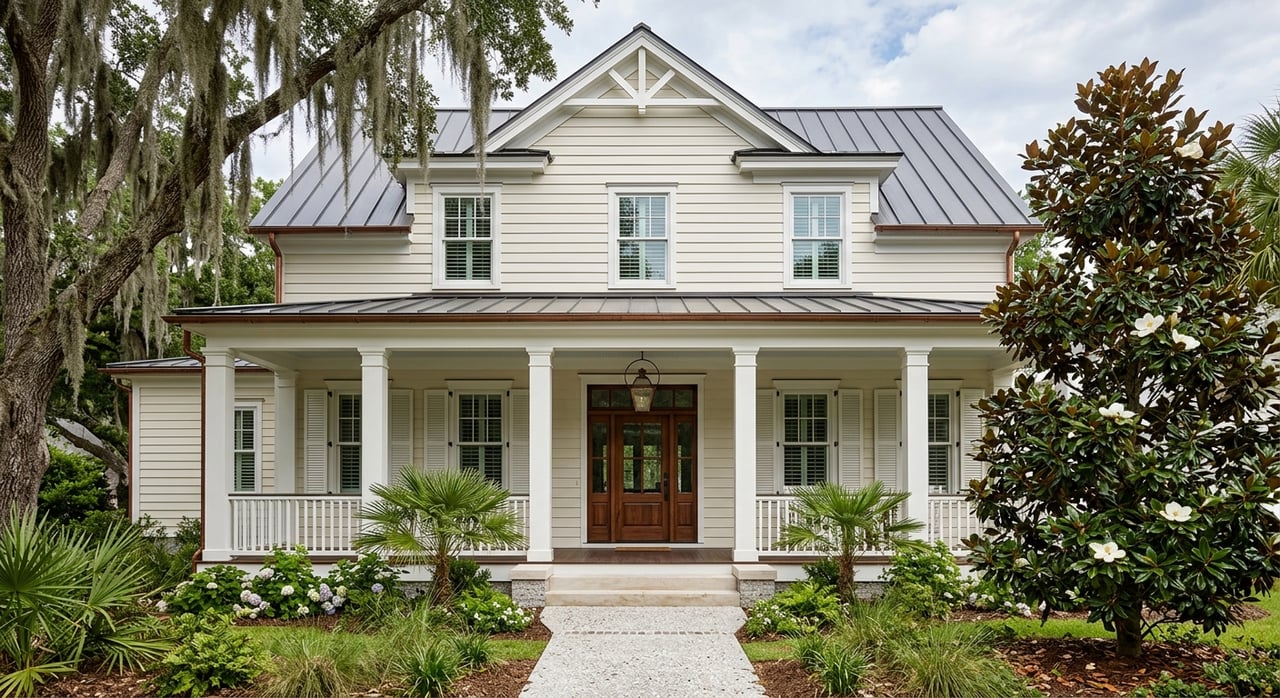
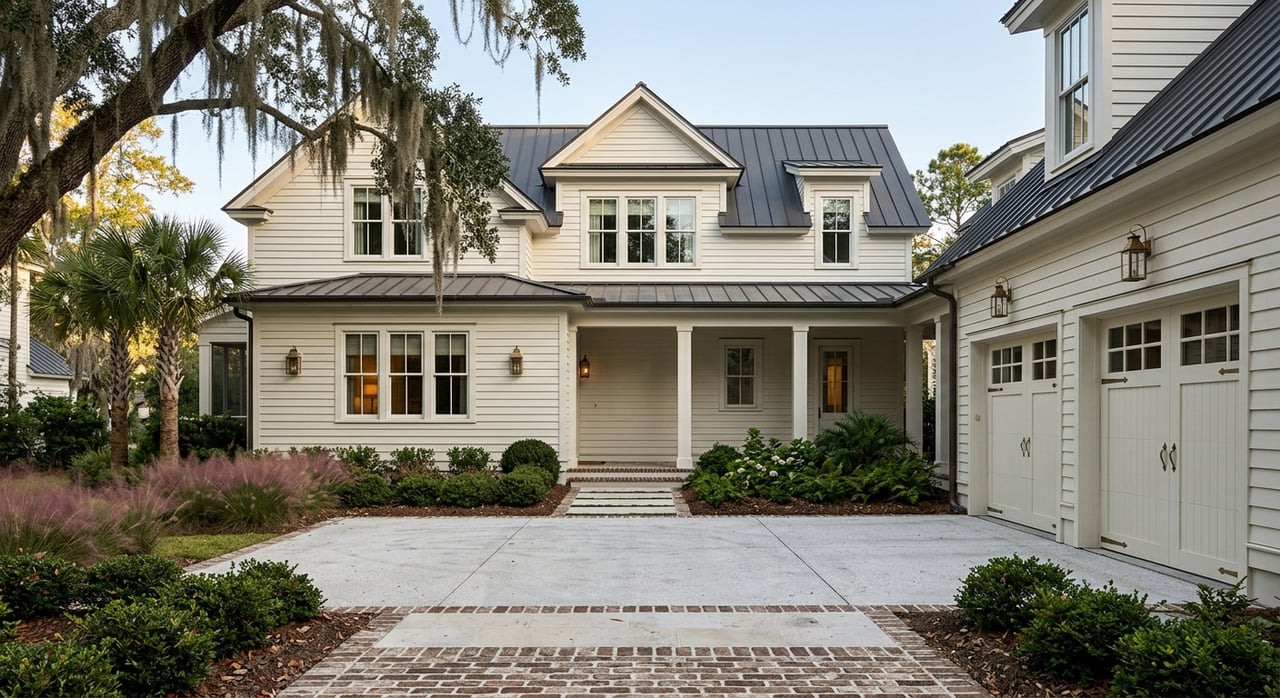
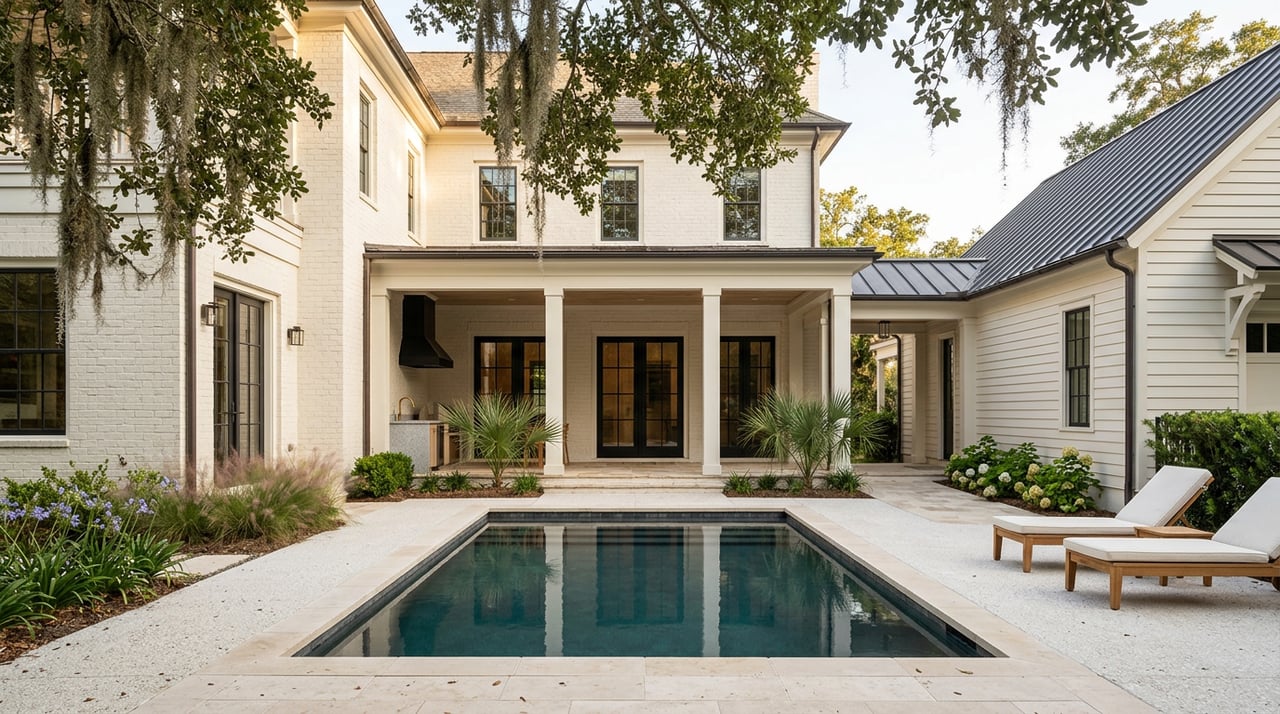
Beachfront, golf course, and resort-area homes deliver privacy and space with higher ongoing maintenance. Many owners arrange landscaping, pool service, pest control, and regular inspections. Impact windows, generators, and wind-mitigation features are common priorities.
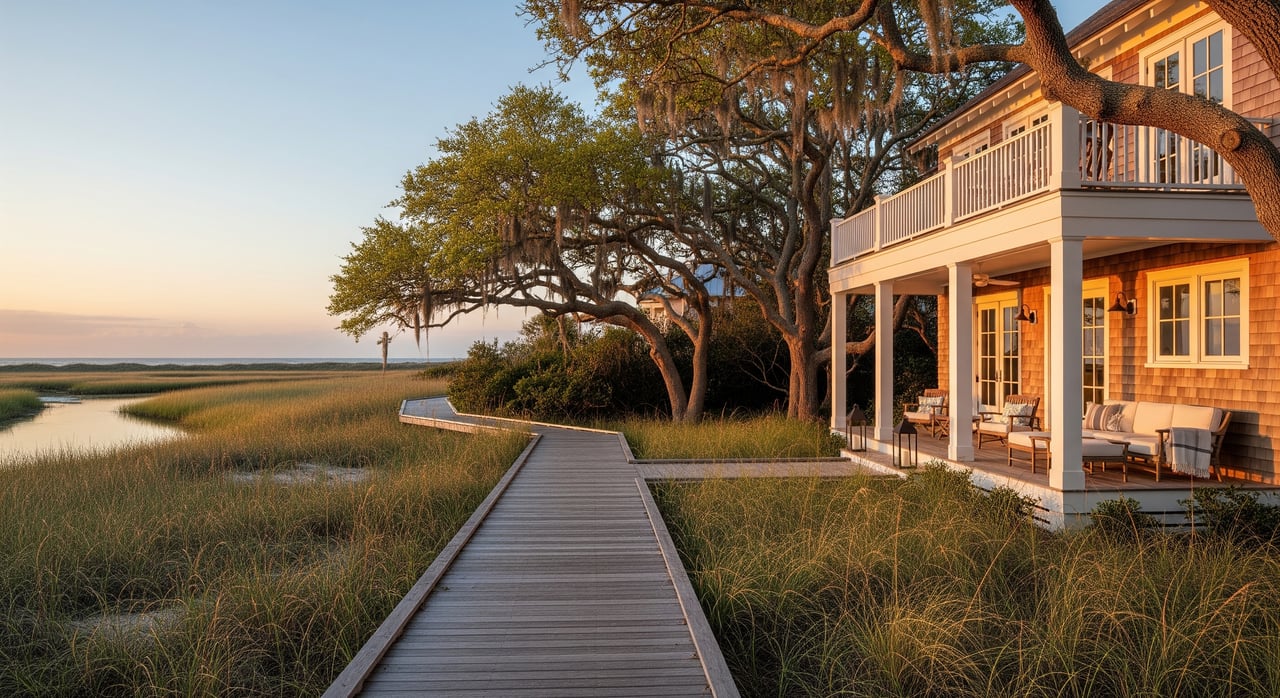
Intracoastal and marsh properties appeal to boaters and those who value serene water views. Deeper water access varies by location, so confirm dock depths, tidal impacts, and any permitting needs before you buy.
Planned neighborhoods often include golf, club, and marina amenities along with design guidelines and rental rules. These settings can simplify a second-home routine, especially if you like a built-in social calendar.
Victorian and historic properties near downtown place you close to shops, dining, galleries, and the marina. These homes attract buyers who want walkability and character, with renovation and preservation considerations to assess during inspections.
A typical visit might begin with a beach walk and coffee at sunrise, followed by golf or a boat day on the intracoastal. Lunch is downtown among boutiques and galleries, and dinner may be a relaxed seafood spot with ocean views. Weekends bring festivals, car and boat shows, arts events, and food tastings throughout the year. If you plan to rent, those peak-event weeks can also increase demand.
Build a clear budget before you shop. Common categories include:
Treat these as planning ranges and obtain property-specific quotes early. Insurance, taxes, and HOA policies vary by neighborhood and building.
Florida has no state personal income tax. Property taxes are levied by Nassau County and local jurisdictions. Homestead exemptions and the Save Our Homes cap typically apply only to primary residences, not second homes. Confirm current tax rates and exemptions with the Nassau County Property Appraiser and the county tax collector before you finalize a purchase.
Coastal ownership requires thoughtful risk planning. Review these essentials:
A local insurance broker with Florida coastal experience can help you compare options and understand premiums by elevation, construction, and location.
Short-term rentals are common in parts of Amelia Island, but permissions depend on both the city or county and your HOA or condo association. Some communities set minimum stay lengths, guest limits, or design standards, and many municipalities require registration and the collection of transient occupancy and sales taxes. Confirm rules and tax obligations with the City of Fernandina Beach, Nassau County, and the Florida Department of Revenue before you model income.
Demand is seasonal, with winter and spring often driving higher occupancy and rates. Peak-event weeks, such as major festivals and collector car events, can command premium pricing. Use conservative assumptions for summer and hurricane season, include cleaning and linen turnover costs, and factor in cancellations during storm activity.
If you value an easy flight and drive, a low-density coastal setting, and a blend of beach time, boating, golf, and a historic downtown, Amelia Island fits well. The lifestyle is relaxed and refined, and the island supports a lock-and-leave approach with strong local service providers. With a clear plan for insurance, maintenance, and rentals, you can enjoy your retreat while managing it confidently from afar.
If you would like a financially grounded search and a turnkey plan for design and management, connect with Trusha Shah. You will get CPA-level valuation and negotiation, design and renovation advisory, and boutique concierge support tailored to second-home ownership.
Stay up to date on the latest real estate trends.
I am committed to guiding you every step of the way—whether you're buying a home, selling a property, or securing a mortgage. Whatever your needs, I've got you covered.