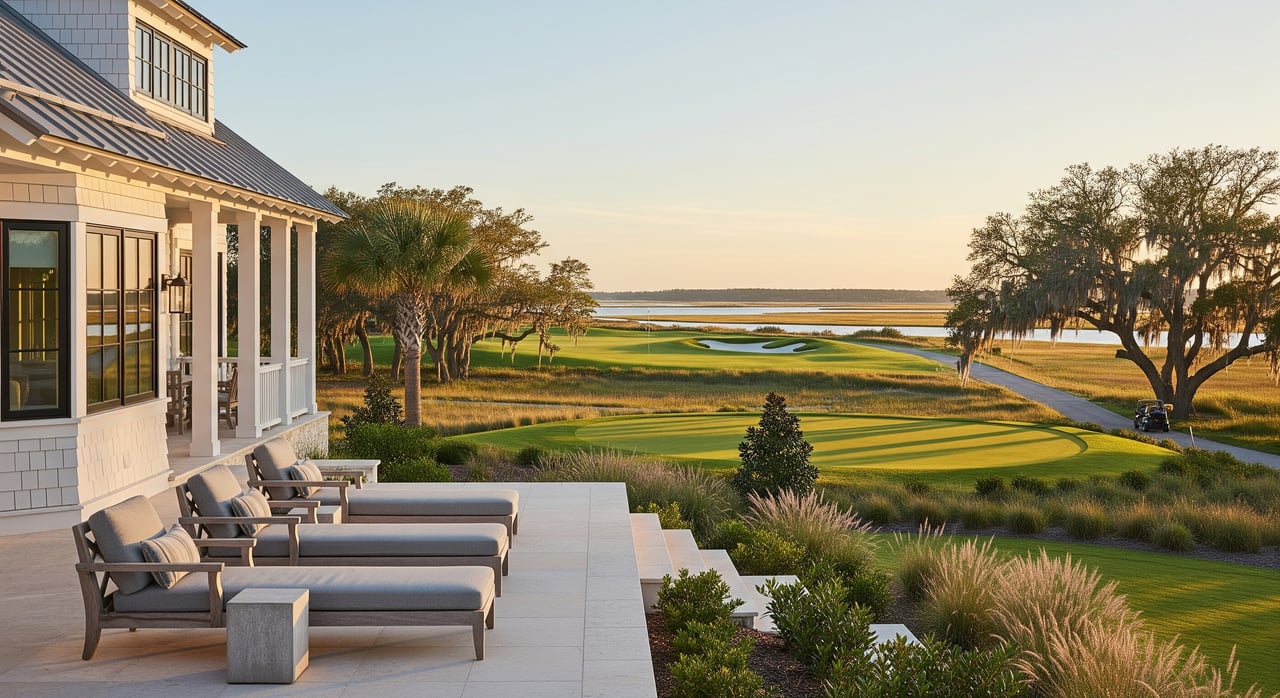
Living in Fernandina Beach Golf Communities
December 11, 2025
December 11, 2025
Dreaming of stepping from your patio to the first tee, then finishing the day with a sunset walk on the beach and dinner in historic downtown? If Fernandina Beach golf community living is on your radar, you’re weighing more than views. You’re balancing membership choices, HOA rules, coastal insurance, and resale potential. This guide gives you a clear, local roadmap to evaluate communities on Amelia Island and make a confident plan whether you’re buying or selling. Let’s dive in.
Not all golf communities operate the same way. In Fernandina Beach and the broader Amelia Island area, you’ll see several common models that shape lifestyle, access, and costs.
In an equity model, members may own a share of the club. You’ll often see initiation fees, annual dues, and caps on total memberships. Equity can add value when the club is financially strong and well managed, but transfer rules and waitlists matter. Ask about membership transferability at resale and any requirements tied to home ownership.
These clubs offer access through dues or resort programs rather than member ownership. They can deliver strong amenities and a vibrant calendar, especially where golf integrates with resort offerings. Because access is not equity-based, you’ll want to understand initiation costs, seasonal demand, and any limits on tee times for non-member homeowners.
Semi-private courses offer public tee times while maintaining member benefits. Neighborhoods around these courses enjoy manicured views without mandatory membership. This can lower carrying costs, though you should confirm whether the HOA funds any course-adjacent maintenance that affects dues.
Some neighborhoods are designed around a golf component with mixed housing types and full amenity packages. Expect robust HOAs that cover landscaping, irrigation, private roads, and amenity upkeep. Review covenants for architectural controls, design standards, and how large capital projects are funded.
The fine print in membership agreements and HOA documents directly impacts lifestyle and resale.
Golf-front living here attracts retirees, second-home buyers, and year-round residents. You’ll find golf-front single-family homes, villas and townhomes, and condominiums, plus occasional estate properties.
Resale performance hinges on a few fundamentals:
The coastal setting in Fernandina Beach delivers a prized lifestyle along with weather and insurance realities you should plan for.
Coastal Nassau County is exposed to storm surge, hurricane-force winds, and flooding. Always verify a property’s FEMA flood zone, Base Flood Elevation, and whether elevation certificates are available. Elevation above BFE, protective dune lines, and seawalls can materially affect flood insurance needs and premiums.
Many coastal homeowners carry standard insurance with wind coverage, along with separate flood insurance through the National Flood Insurance Program or private carriers if required by a lender or prudent for risk. Florida’s insurance market has experienced volatility. Look to the Florida Office of Insurance Regulation and the Florida Division of Emergency Management for current guidance on coverage, mitigation, and claims processes.
Coastal construction is governed by state and local codes that may require elevated foundations, wind-resistant systems, and specific permitting. Nassau County building department reviews, Florida Building Code requirements, and dune or coastal construction lines can shape renovation scope, additions, or new builds.
Dunes, wetlands, and protected species are part of the region’s ecology. The Florida Department of Environmental Protection and county environmental offices regulate improvements that could impact these resources, from seawalls to drainage changes.
Fernandina Beach blends golf with a rich coastal lifestyle. On-site, many clubs feature clubhouse dining, pro shops, practice facilities, fitness centers, pools, and tennis or pickleball.
Off the course, you can enjoy beaches, boating, fishing, and eco-focused adventures. Historic downtown Fernandina Beach offers restaurants, shops, and seasonal festivals. Access to regional healthcare, employment, and air travel in the Jacksonville metro adds convenience for full-time and seasonal residents. If schools are part of your planning, review neutral information from the Nassau County School District and confirm attendance boundaries.
Seasonality matters. Tourism can drive short-term rental demand and seasonal traffic. Many HOAs have rules around parking, golf-cart usage, and guest access during peak periods. Check those details early to ensure the community matches your day-to-day expectations.
Before you write an offer, verify the essentials:
Position your property and your community clearly for qualified buyers:
Buying or selling in a golf community touches finance, design, and lifestyle. With a boutique, concierge-focused approach, you get a single point of accountability who understands how membership structures, HOA reserves, and coastal codes translate into real value.
When you work with Trusha Shah, you benefit from CPA-level valuation and negotiation, design-forward preparation, and project oversight that minimizes surprises. For buyers, that means disciplined due diligence on HOA and club health, flood and wind considerations, and cost-of-carry projections. For sellers, that means targeted upgrades, designer-led staging, and premium marketing that highlight course-side advantages while addressing the practical realities coastal buyers expect.
If you’re weighing Fernandina Beach golf community living, let’s talk about your goals, your timeline, and the details that will protect your lifestyle and your investment. Schedule a complimentary consultation with Trusha Shah.
Stay up to date on the latest real estate trends.
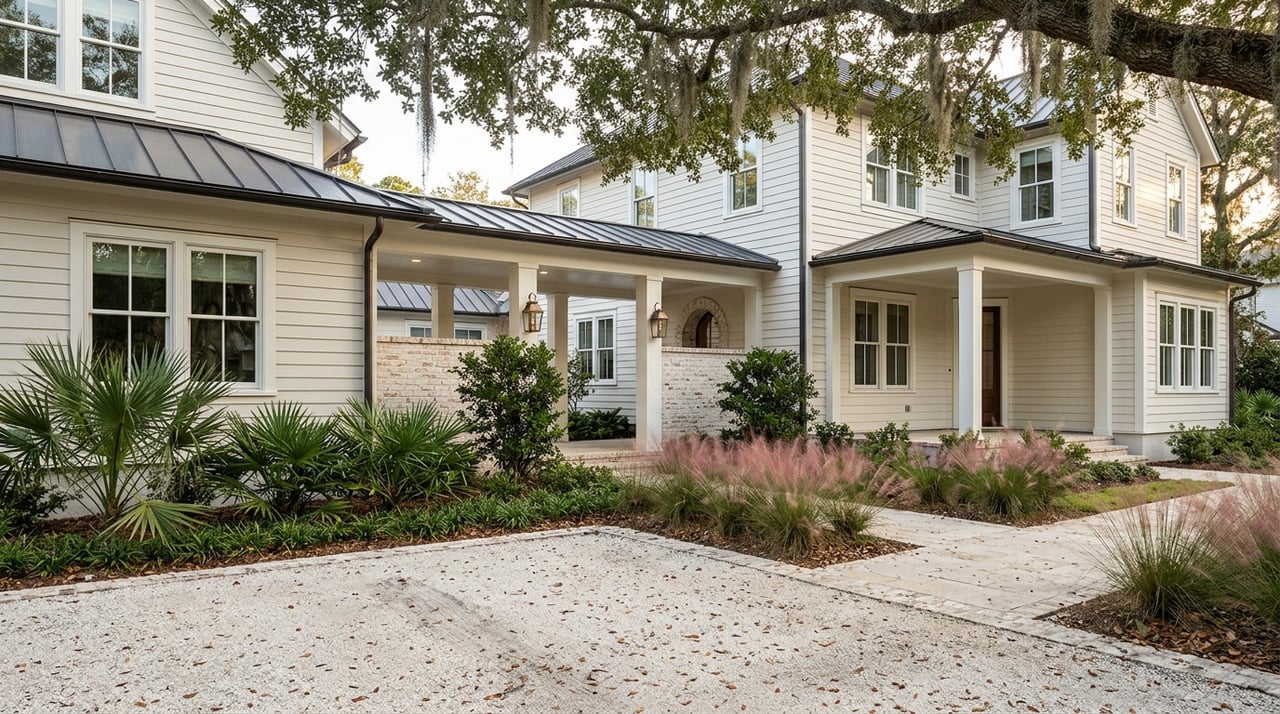
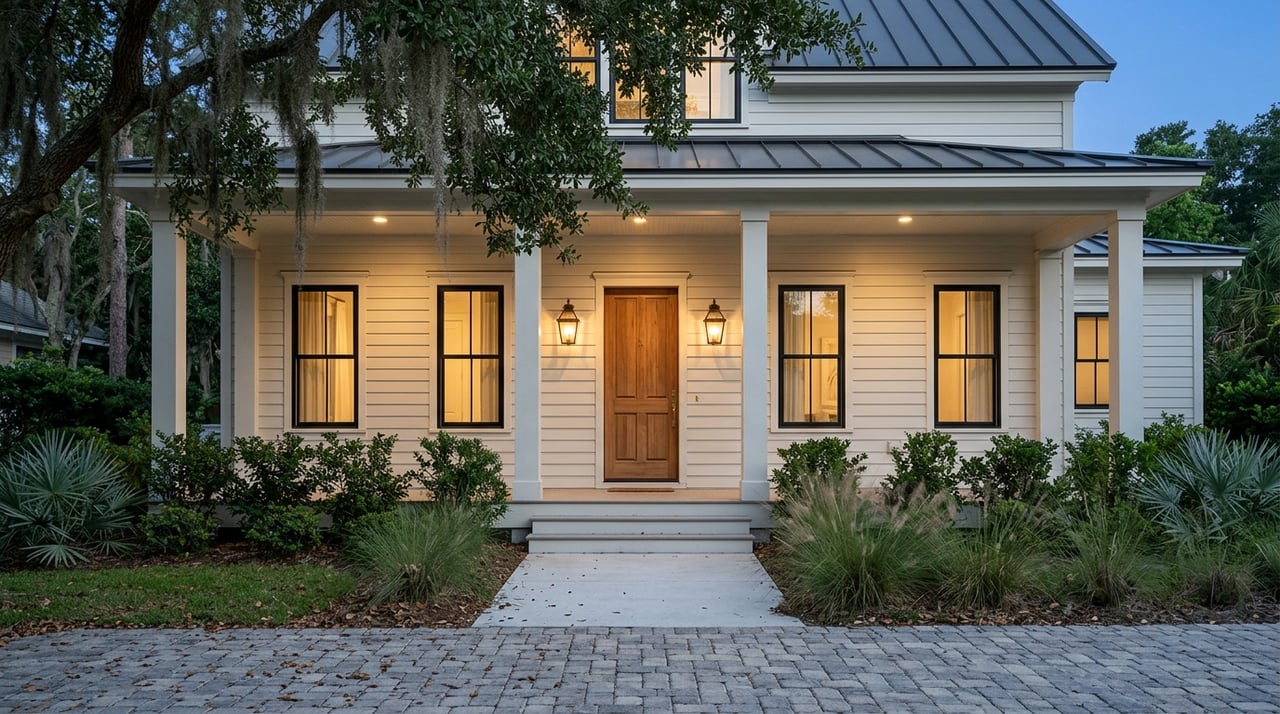
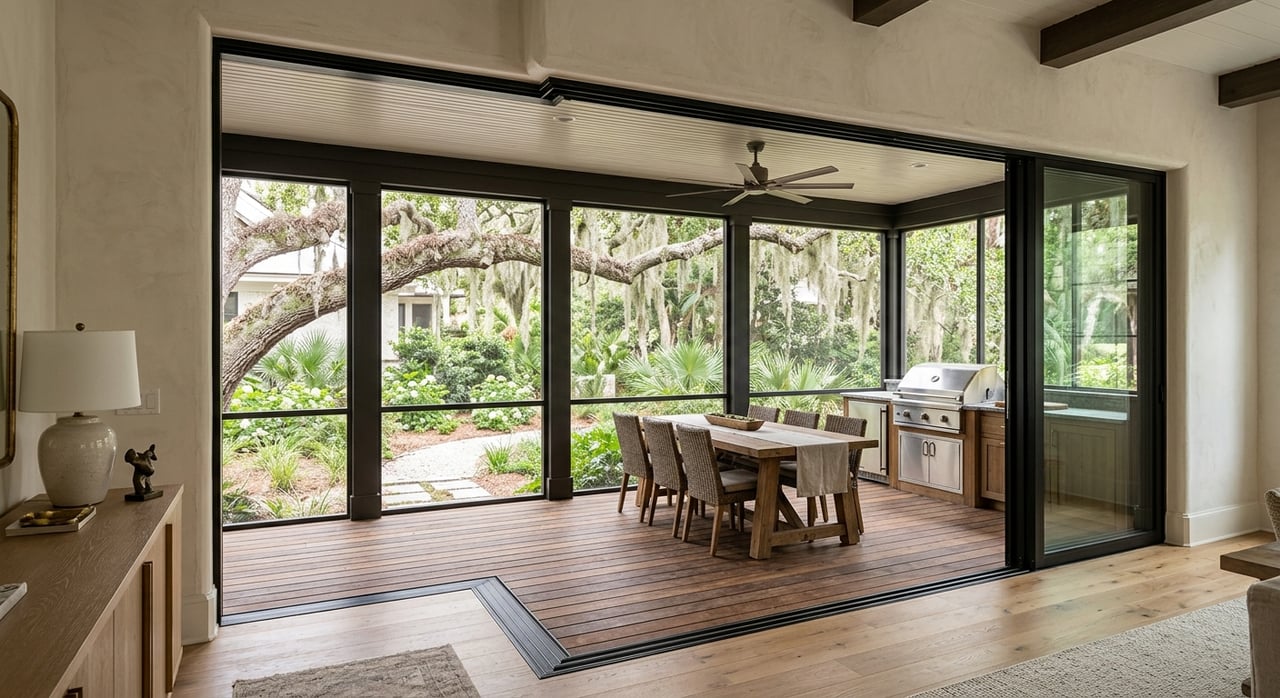

I am committed to guiding you every step of the way—whether you're buying a home, selling a property, or securing a mortgage. Whatever your needs, I've got you covered.