Amelia Island Housing Market Demand: Key Insights
December 4, 2025
December 4, 2025
Thinking about a home on Amelia Island but not sure what is truly moving the market? You are not alone. With coastal lifestyle appeal, tourism, and a limited land base, demand here can feel complex. In this guide, you will learn the key forces that drive housing demand on Amelia Island, what to watch in the data, and how to navigate risks like insurance and flood zones with confidence. Let’s dive in.
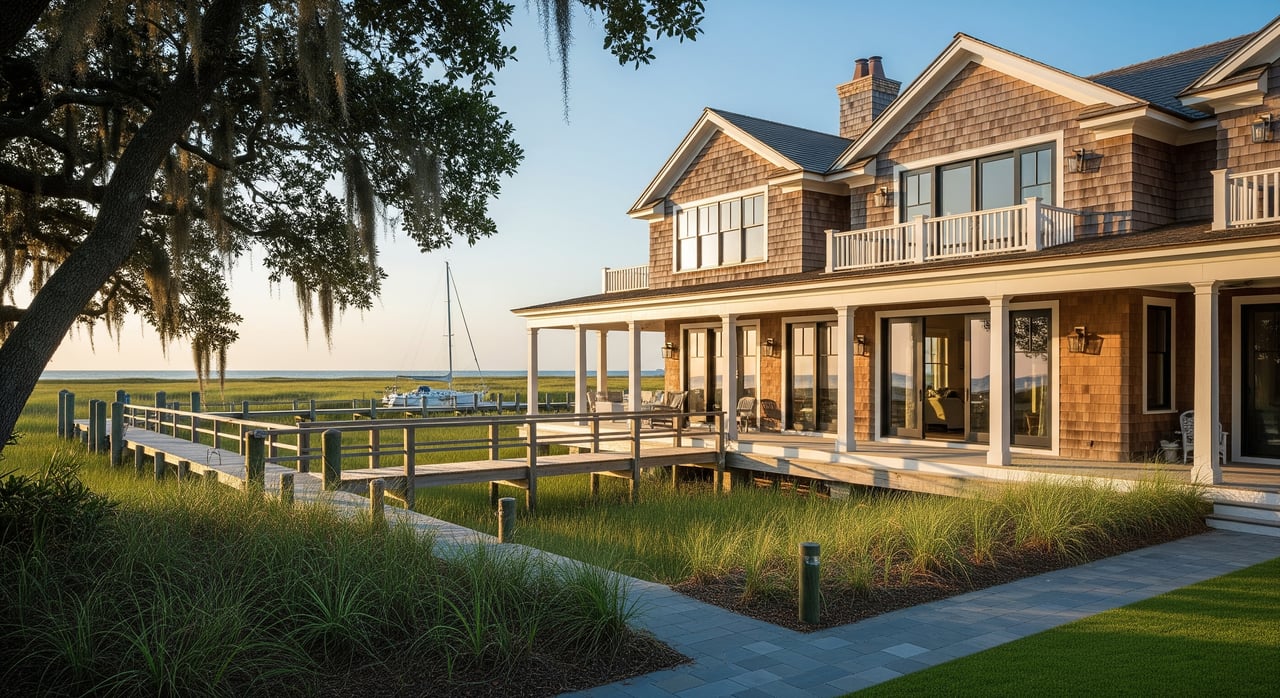
Amelia Island blends miles of beaches, boating, golf, and a walkable historic downtown in Fernandina Beach. Festivals and year-round outdoor recreation add to the draw for primary residences, second homes, and retirees. This quality of life consistently attracts lifestyle buyers who want coastal living with strong community character. The result is steady interest across price points and property types.
You can reach Jacksonville International Airport, I‑95, and regional employment hubs within a practical drive. That access makes the island attractive for second-home owners, weekenders, and hybrid commuters. Proximity to medical services, shopping, and the broader Jacksonville metro supports demand among full-time residents as well. Easy access expands the buyer pool beyond local users to regional and national audiences.
Buyer segments commonly include retirees and empty nesters, second-home and seasonal buyers, investor owners targeting vacation rentals, remote workers, and households tied to the Jacksonville metro. Florida’s lack of state income tax and a comparatively favorable cost backdrop for many out-of-state households remain strong magnets. Military and defense-affiliated buyers connected to nearby installations in the Jacksonville area also contribute to steady housing demand.
Tourism is a central part of the island’s economy. That supports short-term rental performance with seasonal peaks, often strongest in winter and spring months, and relatively durable year-round interest compared with inland markets. Investors evaluating vacation rentals focus on occupancy, average daily rate, and revenue per property to assess feasibility. These dynamics can increase competition for homes that perform well as STRs.
Local short-term rental ordinances, licensing, and occupancy limits influence investor appetite and the balance between vacation rentals and long-term housing. Rules can change, so you should verify current requirements in Fernandina Beach and Nassau County before you buy. Understanding expectations around permitting, guest limits, and taxes helps you plan revenue and avoid surprises. A clear plan supports both compliance and value.
Remote and hybrid work continue to shape demand. Buyers who can work from home prioritize reliable broadband and reasonable access to airports and regional offices. For many, Amelia Island offers a lifestyle upgrade without giving up career opportunities. Commute flexibility widens the buyer pool beyond traditional local employment.
Florida does not have a state income tax. Combined with homestead benefits for primary residents and relatively competitive costs compared with some northern markets, that tax environment encourages both relocations and second-home purchases. Out-of-state buyers often weigh these tax advantages alongside travel access and property upkeep.
As a coastal barrier island, Amelia Island faces natural limits to expansion. Environmental protections, coastal setbacks, and conservation areas restrict where and how much new housing can be built. Local zoning and permitting timelines also shape the pace and character of development. These constraints tend to keep inventory tight, which supports prices over time.
Coastal construction must meet higher wind and flood-resilience standards. Materials and labor costs have been elevated in recent years, and compliance with coastal codes adds expense. Developers often target higher-priced product to cover costs, which can limit the supply of lower-priced options. For buyers, resilient features can support value and insurability but should be carefully reviewed in due diligence.
Coastal exposure brings flood and storm surge risk. FEMA flood maps and NOAA projections help you understand flood zones, base flood elevations, and potential long-term sea-level impacts. Lenders and insurers factor these risks into loan terms and coverage requirements, which can affect monthly costs and closing readiness. Elevated construction, dune preservation, and community resilience projects can reduce risk perception and support long-term value.
Florida’s property insurance market has been volatile, and coastal zones can face higher premiums or limited carrier options. Homes in higher-risk flood zones may require additional coverage and stronger mitigation. You should request quotes early, verify wind and flood coverage terms, and budget for deductibles and potential assessments. Planning for insurance is essential to accurate affordability and a smooth closing.
Mortgage rates are a primary short-term driver of affordability and urgency. When rates fall, purchasing power increases and demand can heat up. When rates rise, some buyers step back or shift to lower price bands, which can ease competition. Lending standards and approvals also influence investor purchases and second-home financing.
For the freshest view, rely on local MLS data through the Northeast Florida Association of Realtors and Florida Realtors county reports for Nassau County. Supplement with U.S. Census data for migration trends and AirDNA-type providers for STR occupancy and revenue patterns. For environmental risk, consult FEMA flood maps and NOAA sea-level tools, and for insurance trends, check updates from the Florida Office of Insurance Regulation and local brokers. Cross-checking these sources helps you separate signal from noise.
On Amelia Island, results come from balancing lifestyle goals with disciplined financial strategy. You want clear valuation, design guidance that attracts the right buyers, local vendor access, and end-to-end management you can trust. As a boutique advisor with CPA-level analysis and design-led staging and renovation expertise, I help you make sound decisions and create homes that are both beautiful and well underwritten. To discuss your plans and the latest market signals, connect with Trusha Shah for a complimentary consultation.
Stay up to date on the latest real estate trends.




I am committed to guiding you every step of the way—whether you're buying a home, selling a property, or securing a mortgage. Whatever your needs, I've got you covered.