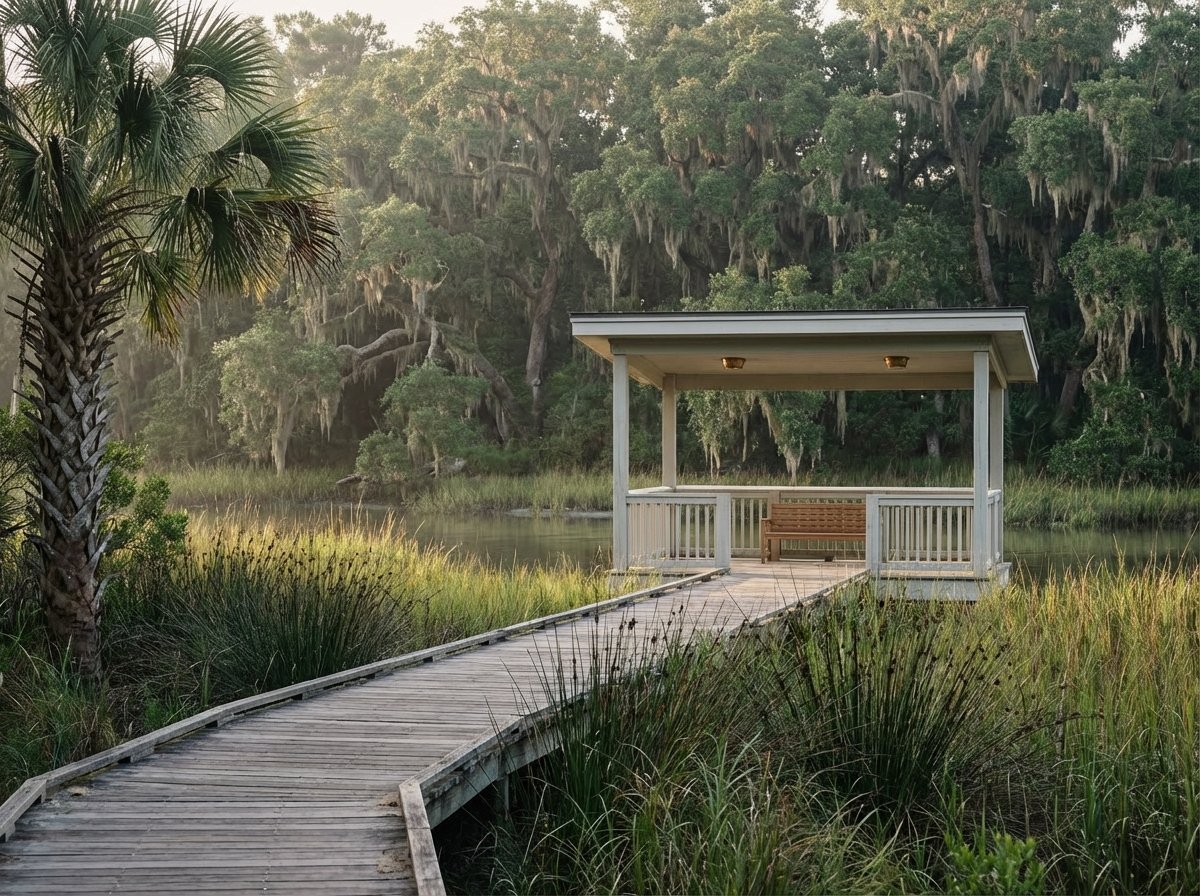
Amelia Island Long Weekend Guide for Second-Home Buyers
February 19, 2026
February 19, 2026
Thinking about a second home on Amelia Island and wondering which part truly fits your life? Between historic downtown charm, oceanfront ease, and quiet marina enclaves, it can be hard to decide. This long-weekend plan helps you live like a local, compare neighborhood rhythms, and complete smart buyer due diligence along the way. Pack your curiosity and a notepad. Let’s dive in.
You’ll stay in more than one area to compare lifestyle, noise levels, and convenience. Fly into Jacksonville International Airport, rent a car, and plan for a 30 to 45 minute drive to the island via I‑95 and A1A. For directions and typical routes, review local guidance on getting to Amelia Island so you can time peak-hour drives. This travel overview is a helpful start.
As you explore, run real-life errands. Do a grocery and pharmacy stop, check cell coverage, and drive your likely commute times. If you plan to host guests or consider short-term rentals, note parking, guest turnover, and HOA rules where you stay.
Arrive by late afternoon, stock the fridge, and take a short walk near your lodging. Note street lighting, sidewalks, and evening noise. This first impression sets a baseline for the rest of the weekend.
Choose a downtown Fernandina Beach stay to test walkability. Stroll Centre Street at dusk, sample a casual seafood dinner, and watch the working marina when boats return. As you walk, note foot traffic, parking, and how close essentials feel from your doorstep.
What to test tonight:
Start with the Amelia Island Museum of History or a guided walk to sense weekday activity and local programming. Midday, rent a street-legal golf cart to experience short, practical hops you might do as a resident. A kayak or bike session around Egans Creek Greenway offers a quiet counterpoint and lets you feel breeze, shade, and wildlife along the marsh. For a history-rich nature stop, add Fort Clinch State Park to your loop. Preview park activities and access.
What to test today:
Spend your second night on the beach or within a resort to feel a different rhythm. Oceanfront living offers direct beach access and a steady soundtrack of surf and visitor activity. Resorts bring amenities, dining, and concierge-style convenience. For a comparison point, review services and dining options at properties like The Ritz-Carlton, Amelia Island.
What to test tonight:
Morning: Visit American Beach to understand its history and neighborhood scale. Stop by the A. L. Lewis Museum if open, and walk the dunes to sense wind exposure and access. For context on its origins, review the National Park Service history of American Beach.
Afternoon: Choose your next contrast.
Evening: Return to your favorite area for dinner so the contrast stays fresh.
Use your last morning for decision-making steps. If timing allows, tour an open house or two and request preliminary HOA documents. Pull parcel flood zones and request any available elevation certificates for beachside or marsh-adjacent lots. For maps and local flood guidance, use the FEMA Flood Map Service Center and Nassau County’s resources on parcel flood hazard designation. Also review storm-surge concepts using NOAA’s surge overview tools.
Public sources in January 2026 reflect a Fernandina Beach median sale price around $600,000, with conditions shifting year over year. Inventory and pricing vary significantly by neighborhood type and water exposure. Expect a mix of historic cottages near Centre Street, oceanfront condos and homes, resort residences, gated marina communities, and newer mainland options with different price points.
If you plan to rent your second home, confirm local permits and taxes before modeling income. The City of Fernandina Beach requires a Resort Rental Dwelling Permit for many short-term rentals. Start with the city’s page on resort rental rules and permits. Nassau County also collects a Tourist Development (bed) tax that hosts must register and remit. Review the county’s tourist development tax guidance and confirm how your platform handles collection.
Much of the island sits in coastal flood zones with storm-surge exposure. Always check FEMA flood maps and Nassau County guidance for any parcel you consider. Ask sellers for elevation certificates, prior flood policies, and any Letters of Map Amendment. For context on surge scenarios, explore NOAA’s surge information and use the FEMA Flood Map Service Center to review flood layers. In Florida, insurance availability and pricing can change quickly, so obtain live homeowners and flood quotes early in your process.
Ask whether a property is on public sewer or septic and confirm utility providers and internet options by address. For American Beach, septic history has been a public topic in some areas, so verify the current status parcel by parcel. Map your proximity to urgent care and hospital services as part of your test.
If you prefer planned or resort communities, request HOA covenants, budgets, and recent meeting minutes. Look for maintenance standards, guest rules, short-term rental limits, and reserve funding. For oceanfront and marsh-adjacent homes, collect sample quotes for wind and flood coverage so your monthly carrying cost model is accurate.
Ready to tailor this plan around the properties and lifestyle you want? For a custom itinerary, private showings, and a financial-first view of total cost and renovation potential, connect with Trusha Shah. You will get boutique, CPA-informed guidance and design-driven advice to make your Amelia Island home turnkey.
Stay up to date on the latest real estate trends.
I am committed to guiding you every step of the way—whether you're buying a home, selling a property, or securing a mortgage. Whatever your needs, I've got you covered.