Everyday Fernandina Beach Historic District Living
February 12, 2026
February 12, 2026
What does an ordinary Tuesday feel like when you live steps from Centre Street on Amelia Island? Picture coffee on a shaded porch, a short walk to your favorite cafe, and sunset by the marina. If you want history, water, and walkable charm in one place, Fernandina Beach’s historic district delivers. In this guide, you’ll learn what day-to-day life really looks like, the trade-offs to plan for, and smart steps to take if you are considering a home here. Let’s dive in.
You live in the island’s heart. The historic district anchors Fernandina Beach, the principal city on Amelia Island in Nassau County. The city’s population is roughly 12,000 to 13,000 within the limits, with a larger seasonal crowd. The district is compact, centered on Centre Street, close to the waterfront and marina.
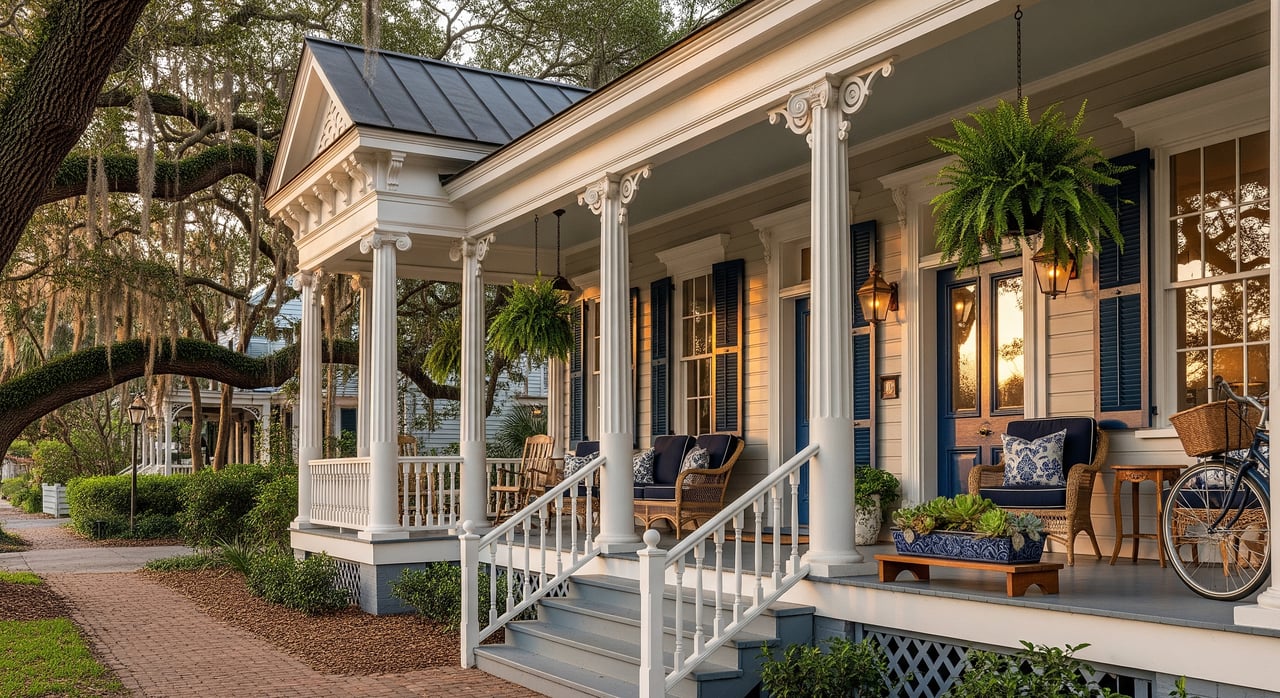
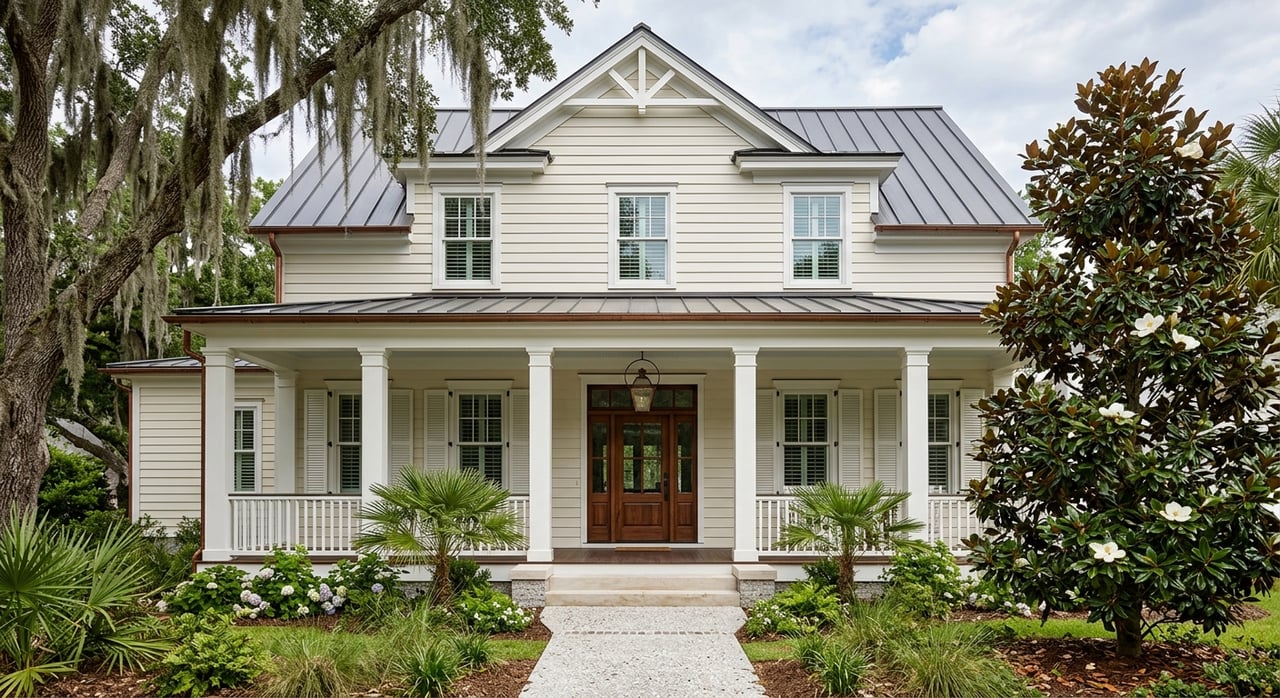
You see authentic 19th- and early 20th-century architecture on your daily walks. Expect Victorian and Queen Anne homes, Colonial Revival details, cozy bungalows, shotgun houses, and historic commercial façades. Lots and streets are older and narrower, with mature trees and sidewalks that invite strolling. Many homes predate modern setbacks and parking rules, so garages and off-street spaces can be limited.
Many properties are part of the city’s historic district and subject to local preservation review. Exterior changes that affect the look of the home often require city approval and a Certificate of Appropriateness. Interior updates are generally less restricted, but visible features like porches, windows, and rooflines are usually reviewed. The process protects neighborhood character and can add time to renovation plans.
Most days start on foot. The Centre Street corridor is your main street for coffee, casual bites, galleries, and errands. You can meet friends at a cafe, browse boutiques, then head home by way of tree-lined blocks. Evenings often end with a simple waterfront stroll as boats move in and out of the marina.
For basics, you mix walking and short drives. Specialty markets and small food shops sit within an easy walk for many residents. Full-service groceries, pharmacies, and banks are close by, typically a short drive from downtown. You can stock up on the essentials once or twice a week and rely on nearby shops for everyday top-ups.
The historic district is the island’s cultural hub. You have year-round restaurants, wine bars, galleries, and small museums within blocks. Seasonal festivals, art walks, farmers markets, and major annual events like the Isle of Eight Flags Shrimp Festival and the Amelia Island Concours d’Elegance bring energy and crowds. On event days, you trade convenience for vibrancy as streets fill and parking tightens.
Waterfront access is part of daily life. You are close to local marinas for boating and fishing, and sunset dinners on the water are a regular treat. Island bike routes and walking paths connect downtown to beaches and neighboring areas. A beach morning or a quick ride on a shaded trail can be as simple as lacing your sneakers.
Expect a seasonal rhythm. Late fall through spring tends to be busier with visitors, fuller restaurants, and more frequent events. Summer brings heat, humidity, afternoon storms, and lively beach days. Late summer into early fall can be quieter, though hurricane season may affect plans and business hours.
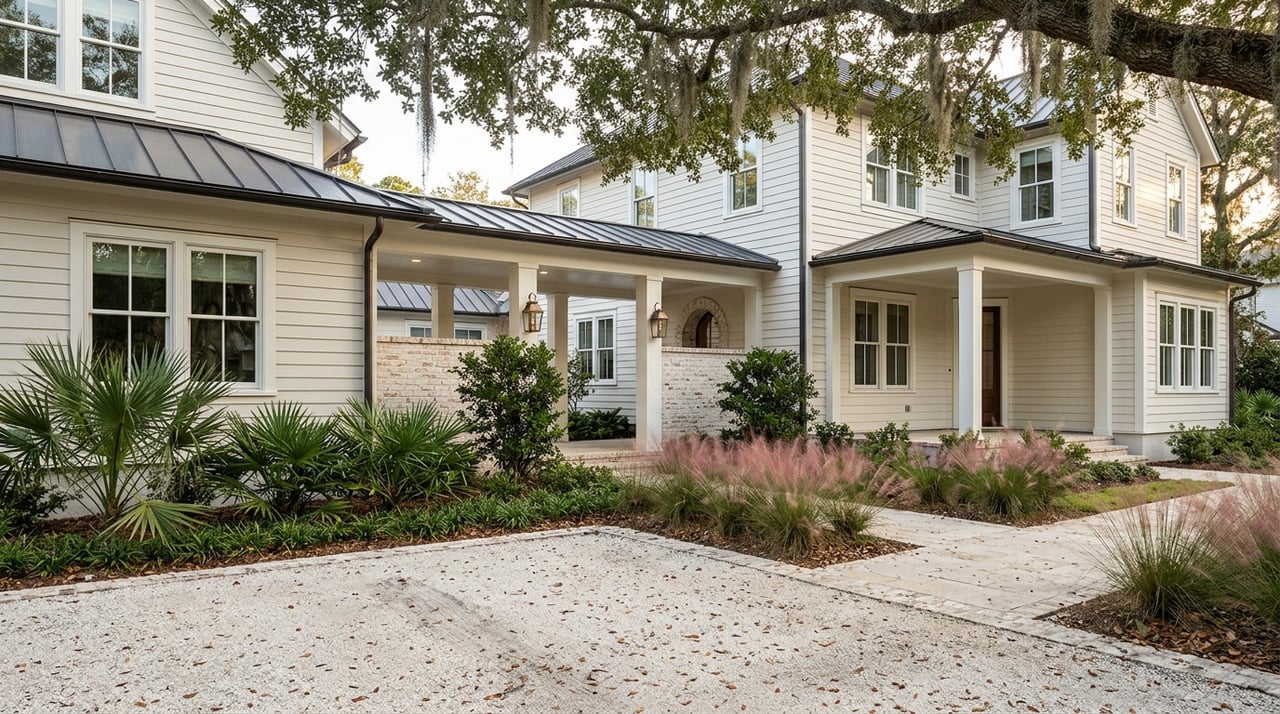
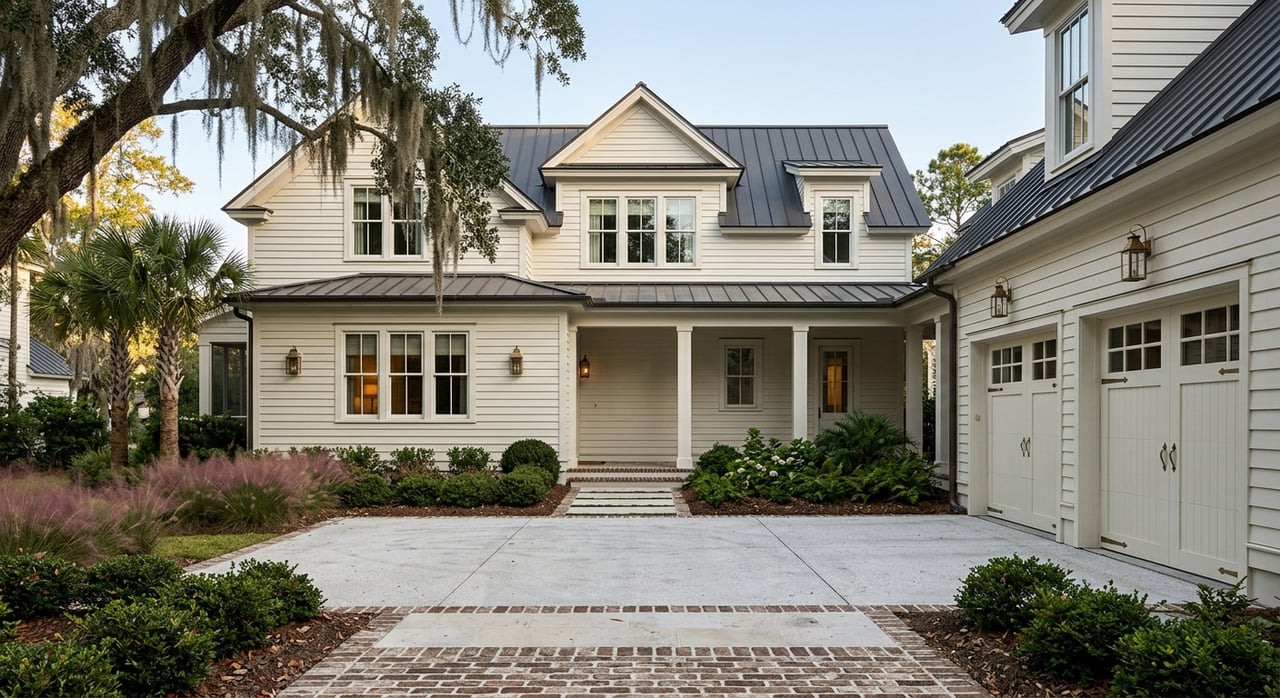
Limited off-street parking is common with historic parcels. Some residents rely on on-street parking or public lots, and they plan social calendars around event days. If you want private parking or a garage, you may need to consider property modifications, subject to historic review. A parking pad or shared driveway can be a solution for some homes.
With walkability comes activity. Street music, festival setups, and evening diners create a lively backdrop during peak months. If you prefer year-round quiet, consider a home a few blocks deeper into residential streets. Many owners embrace the energy, then plan weekend getaways or beach mornings when visitor numbers climb.
Older neighborhoods carry older infrastructure. Water, sewer, storm drains, and overhead electric are typical of historic cores. You may budget for routine upgrades and proactive maintenance to keep systems reliable. The upside is character-rich streets and a tight-knit sense of place.
Historic homes can require higher ongoing care. Roofing, original woodwork, classic windows, and aging mechanicals need attention. Termites, wood rot, and foundation issues are not uncommon in older structures, so regular inspections and preventative maintenance matter. Specialized contractors preserve authenticity, which can add cost and time but protects long-term value.
If you plan exterior changes, expect a design review. The city’s Planning and Zoning and Historic Preservation staff guide visible updates like porches, siding, window styles, and rooflines. Interiors are typically more flexible, though best practice is to retain key period details that define the home’s character. Building a thoughtful plan with historic-sensitive trades will help you move faster and avoid missteps.
The district is coastal, and some properties sit in FEMA flood zones. Lenders often require flood insurance in high-risk areas, and premiums vary by elevation and condition. An elevation certificate and a review of base flood elevations help you estimate exposure. Wind mitigation improvements, including impact-resistant windows, can support safety and potential insurance savings.
Coastal Florida homeowners often face higher insurance costs. Carriers evaluate flood, wind, roof age, systems, and overall condition. Older homes with nonstandard systems can face stricter underwriting or require repairs before certain loans close. Getting clarity on insurance and financing early helps you manage your total cost of ownership.
Short-term rental activity is regulated locally. The city enforces rules, registration, and local taxation related to STRs. If you plan to rent your property short term, verify current municipal rules and any neighborhood or HOA restrictions. Align your purchase and renovation plans with those requirements to avoid surprises.
You should plan for a few categories that shape everyday life and ownership. Insurance is usually a larger line item in coastal Florida, including flood coverage in higher-risk zones. Maintenance for older systems and period details tends to be more frequent and specialized. Event days can mean paid or time-limited parking, so allow for guest planning or permits where available. Many owners also budget for wind mitigation improvements and routine exterior care to protect historic materials.
If you want a home where you can trade car time for porch time, where culture and water shape your week, Fernandina Beach’s historic district is compelling. The charm is real, and so are the practical trade-offs. With the right due diligence and a clear plan for insurance, maintenance, parking, and permits, you can enjoy a walkable coastal lifestyle in a setting that feels uniquely yours.
If you are weighing options, a tailored plan helps. From valuation and tax-aware strategy to renovation oversight and trusted local vendors, you can streamline the process and protect your time. For a private conversation about fit, timelines, and next steps, connect with Trusha Shah to Schedule a complimentary consultation.
Stay up to date on the latest real estate trends.


I am committed to guiding you every step of the way—whether you're buying a home, selling a property, or securing a mortgage. Whatever your needs, I've got you covered.